





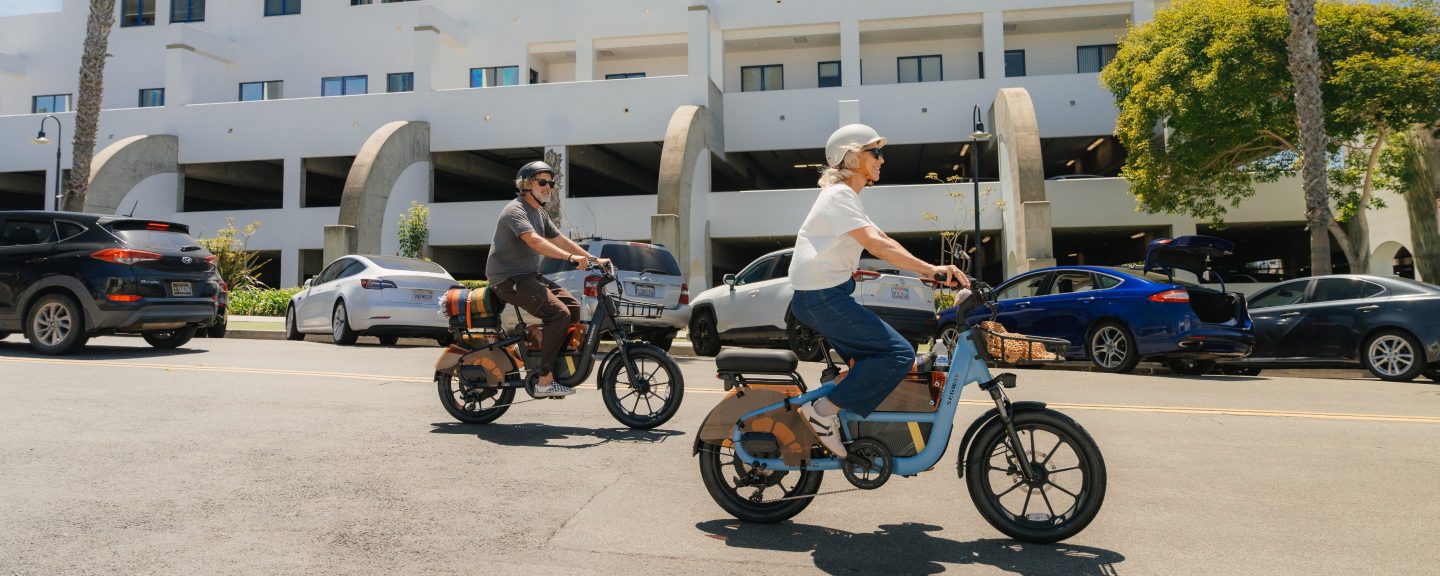
If your knees ache on hills, at stoplights or after a long walk, you might wonder whether riding a bike is still an option. For many people it can be, and an electric bike for bad knees gives you something a regular bike can’t: a motor that takes over the hardest parts of the ride, so you decide how much effort your knees put in. This guide explains what the research says about cycling and knee pain, which eBike features make the biggest difference and how to get started gradually.
This article is general information, not medical advice. If you have knee pain, arthritis or are recovering from an injury or surgery, talk with your doctor or physical therapist before you start riding.
Is Cycling Good for Bad Knees?
Cycling is one of the activities most often recommended for people with knee pain, because your weight is supported by the saddle and your knees move through a smooth, repeating circle instead of absorbing impact with every step. As the Arthritis Foundation puts it, “It’s low-impact, so you get a good workout without pounding on joints.”
Large-scale research points the same way. A 2025 review of 217 clinical trials published in The BMJ compared different types of exercise for knee osteoarthritis and found that aerobic exercise such as walking, cycling and swimming “consistently showed the highest probability of being the best treatment across outcomes,” including pain and function. Read the BMJ summary. The researchers noted that much of the evidence comes from indirect comparisons, so exercise plans should still be tailored to each person.
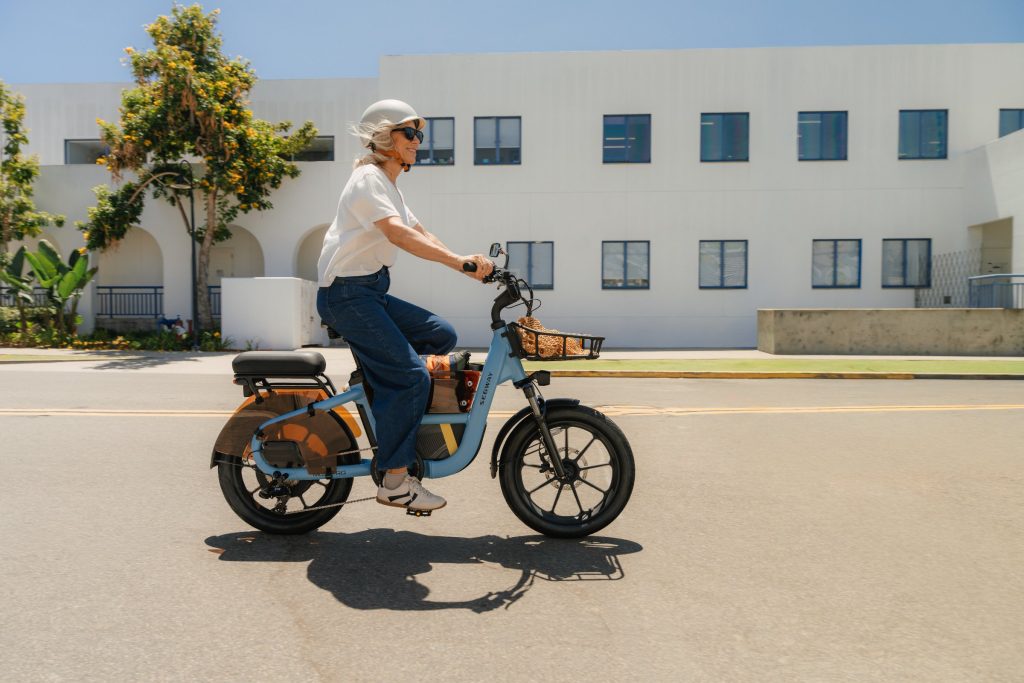
How an eBike Changes the Equation
The hardest moments on a regular bike are usually short: pushing off from a stop, climbing a hill or riding into a headwind. Those are also the moments when your knees work hardest. Pedal assist adds motor power as you pedal, and you choose the level, so you can keep riding without forcing your way up every climb.
Early research on this is promising. In a small 2026 pilot study of 10 people with knee osteoarthritis, published in Applied Sciences, riding with a high level of electric assistance reduced activity in key thigh muscles compared with riding without assistance, and participants reported low effort overall. The authors call it an exploratory pilot, so larger studies are still needed.
The practical takeaway: an eBike lets you stay active and keep pedaling, while you dial the effort up or down to match how your knees feel that day.
The Moments That Matter Most: Stopping, Starting and Getting On
Most buying guides focus on the ride itself. But if you have bad knees, the parts that can feel hardest are often the in-between moments: swinging a leg over the bike, putting a foot down at a red light and getting rolling again. These features make those moments easier.
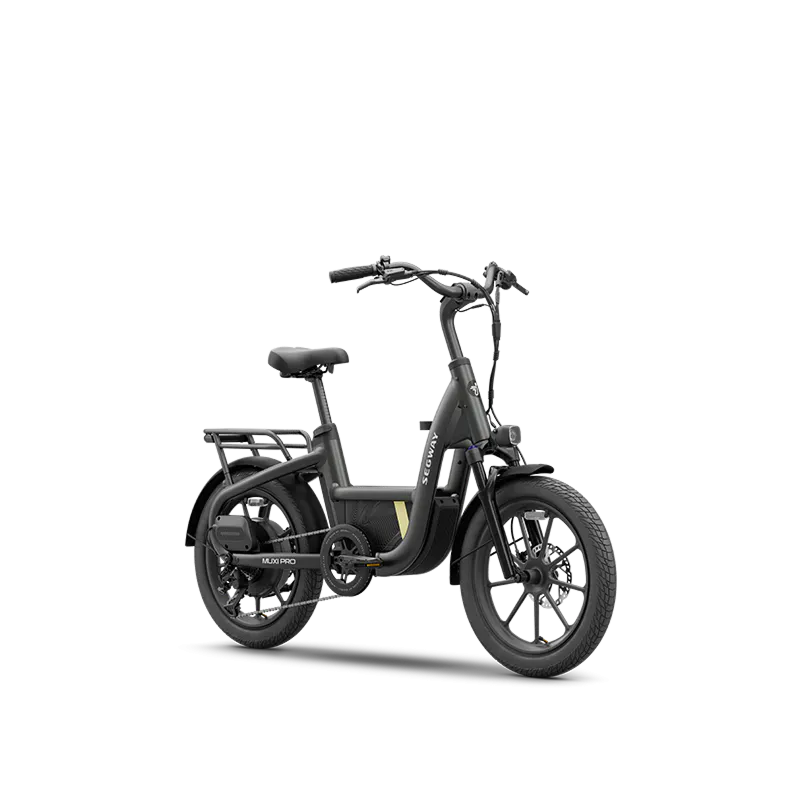
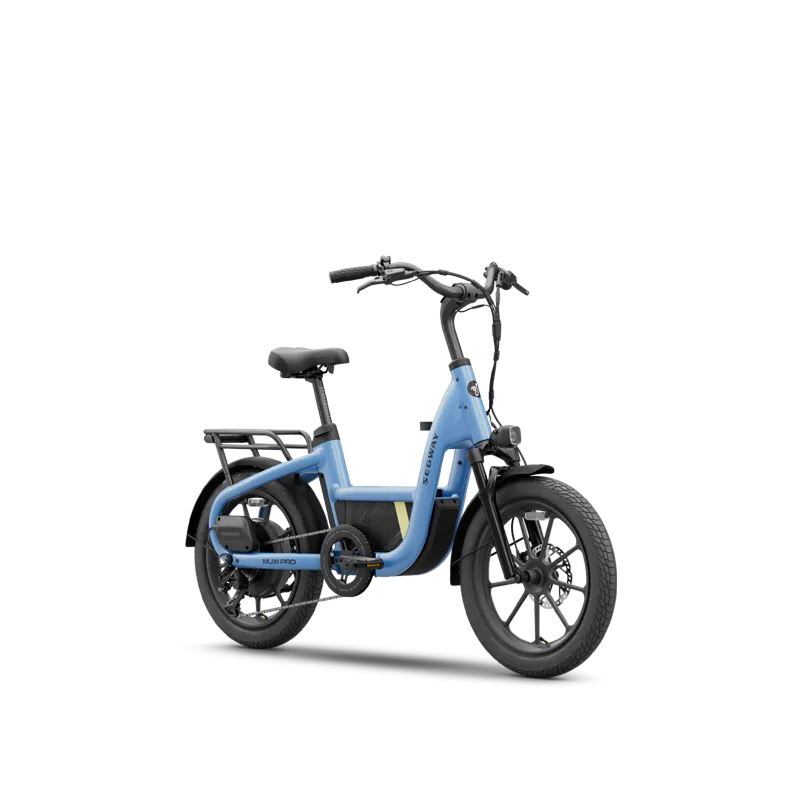
- A low, step-through frame: you can step into the bike instead of lifting your leg high over a top tube.
- A seat that drops when you stop: the Segway Xiro Automatic Dropper Post* lowers the saddle as you come to a stop, so both feet can reach the ground, then raises it again when you ride off.
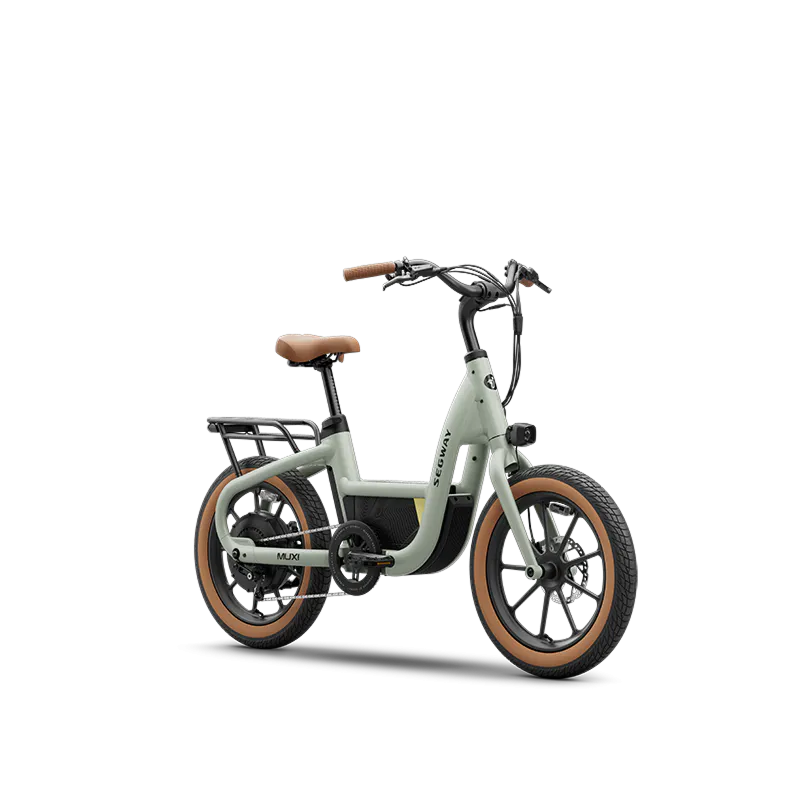
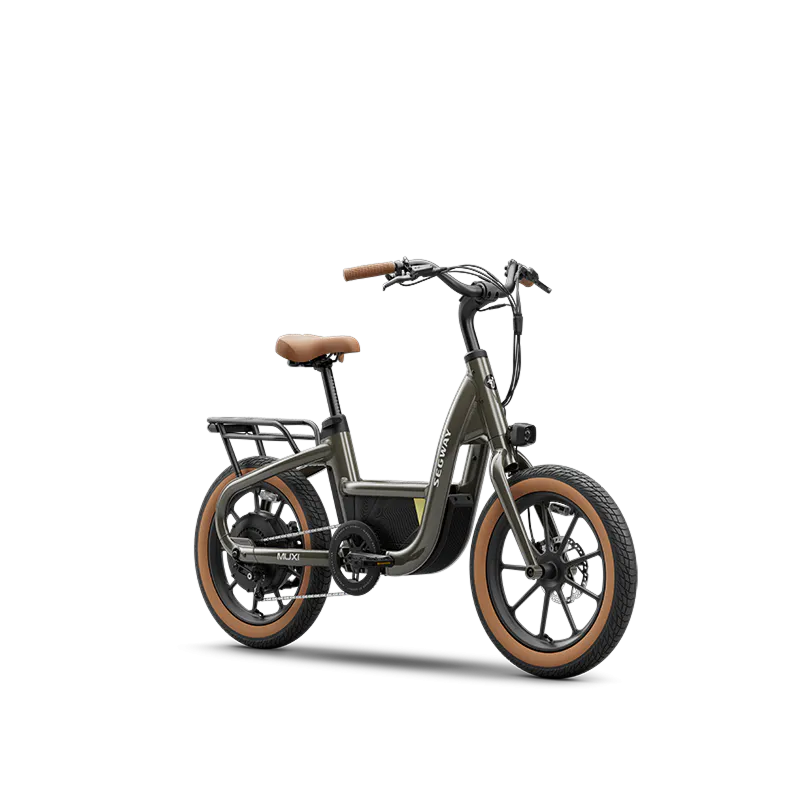
- Help on hills from a stop: Hill Start Assist on the MUXI and MUXI Pro helps keep the bike from rolling backward while you get going on an incline.
- A throttle for the first push: where permitted by law, a throttle can get you moving from a standstill without a hard first pedal stroke.
- Automatic shifting: on the MUXI Pro and Myon, electronic auto shifting picks the gear for you, so you’re less likely to be stuck in a hard gear at a stop.

*The Xiro Automatic Dropper Post is sold separately. It is compatible with the Segway Myon, MUXI and MUXI Pro and requires professional installation by a Segway dealer. Learn more in Segway Xiro Named a Special Mention in TIME’s Best Inventions of 2026.
What to Look For in an eBike for Bad Knees
- Frame and fit: a step-through frame and a size that fits your height, so you aren’t overreaching or straining to get on.
- Adjustable assist: several assist levels let you ease off on good days and get more help on hard ones.
- Smooth power delivery: a torque sensor adds power in proportion to how hard you pedal, which many riders find feels more natural.
- Easy gearing: automatic shifting or a simple, predictable drivetrain means fewer hard starts.
- Comfortable riding position: an upright posture and front suspension help on rough pavement.
- Weight and storage: eBikes are heavy, so plan for ground-level storage if lifting is hard on your knees.
Segway eBikes That Fit These Needs
Segway MUXI Pro
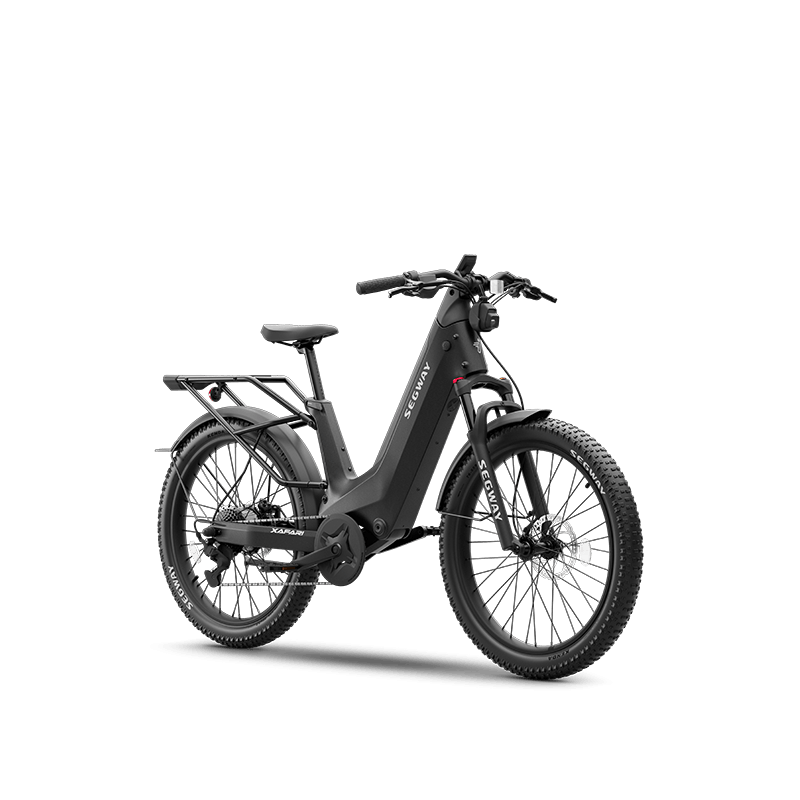
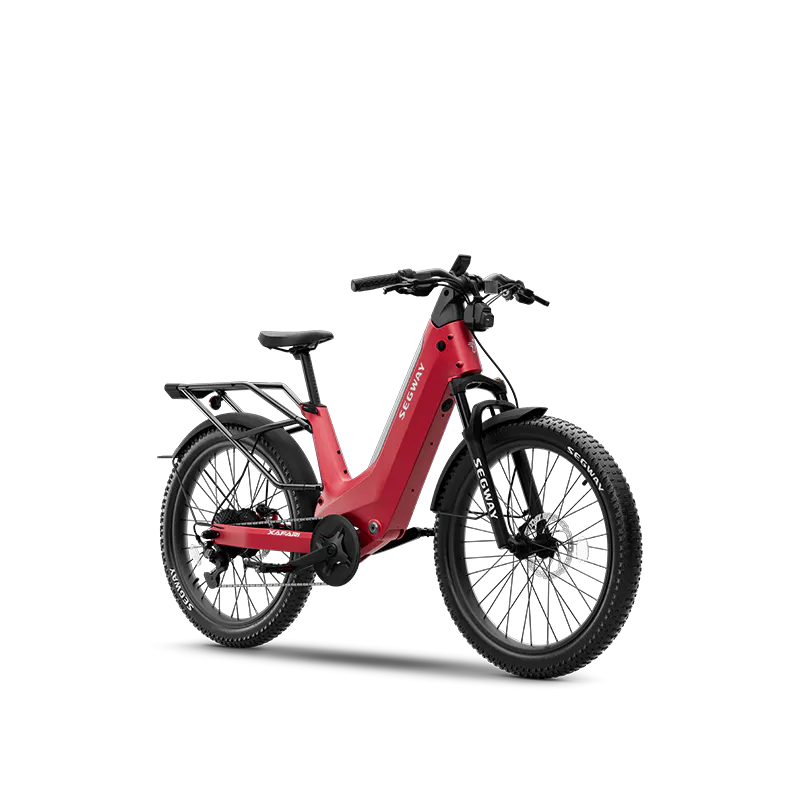
The MUXI Pro pairs a low, step-through frame with electronic auto shifting across 9 speeds, a 750 W motor with 80 Nm of torque and 70 mm front suspension. Hill Start Assist engages when you hold the brake lever for about 3 seconds on an incline, and Hybrid mode adds a throttle up to 20 mph, where permitted by law. At 82.2 lbs, it’s built for errands and cargo. See how it compares with the original in MUXI Pro vs. MUXI.
Segway MUXI
The MUXI keeps things simple: an approachable step-through design, a 750 W motor, a single-speed drivetrain and a cadence sensor for an easy, natural ride. It also offers Hybrid mode with a throttle, where permitted by law, and Hill Start Assist through the Segway Mobility App.
Segway Myon
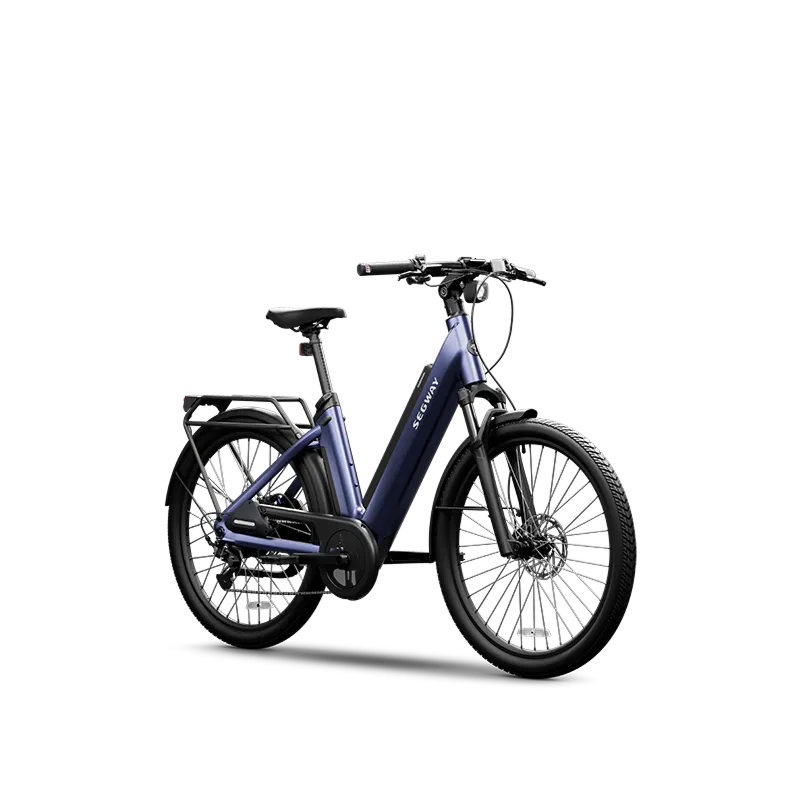
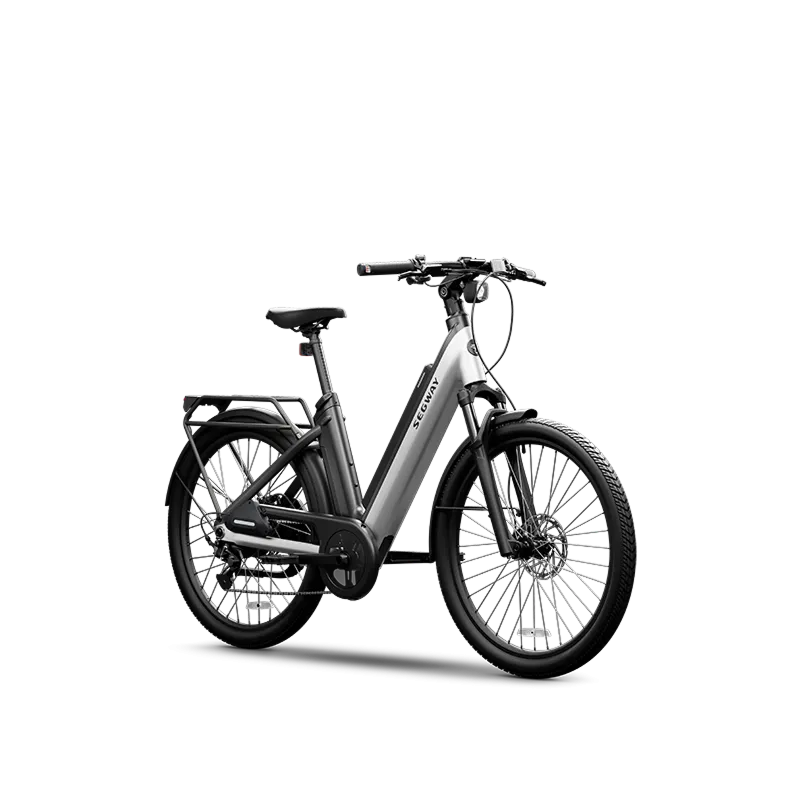
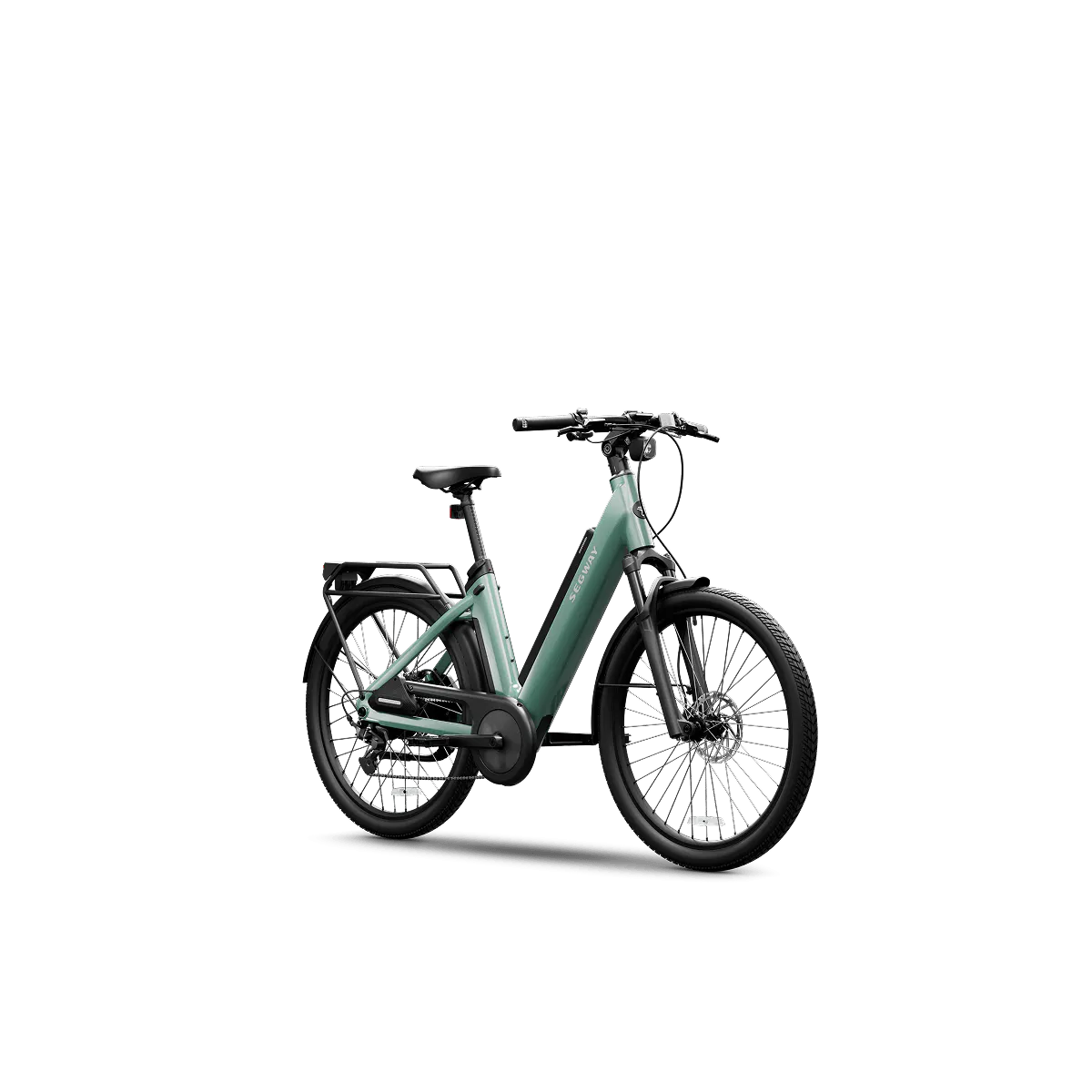
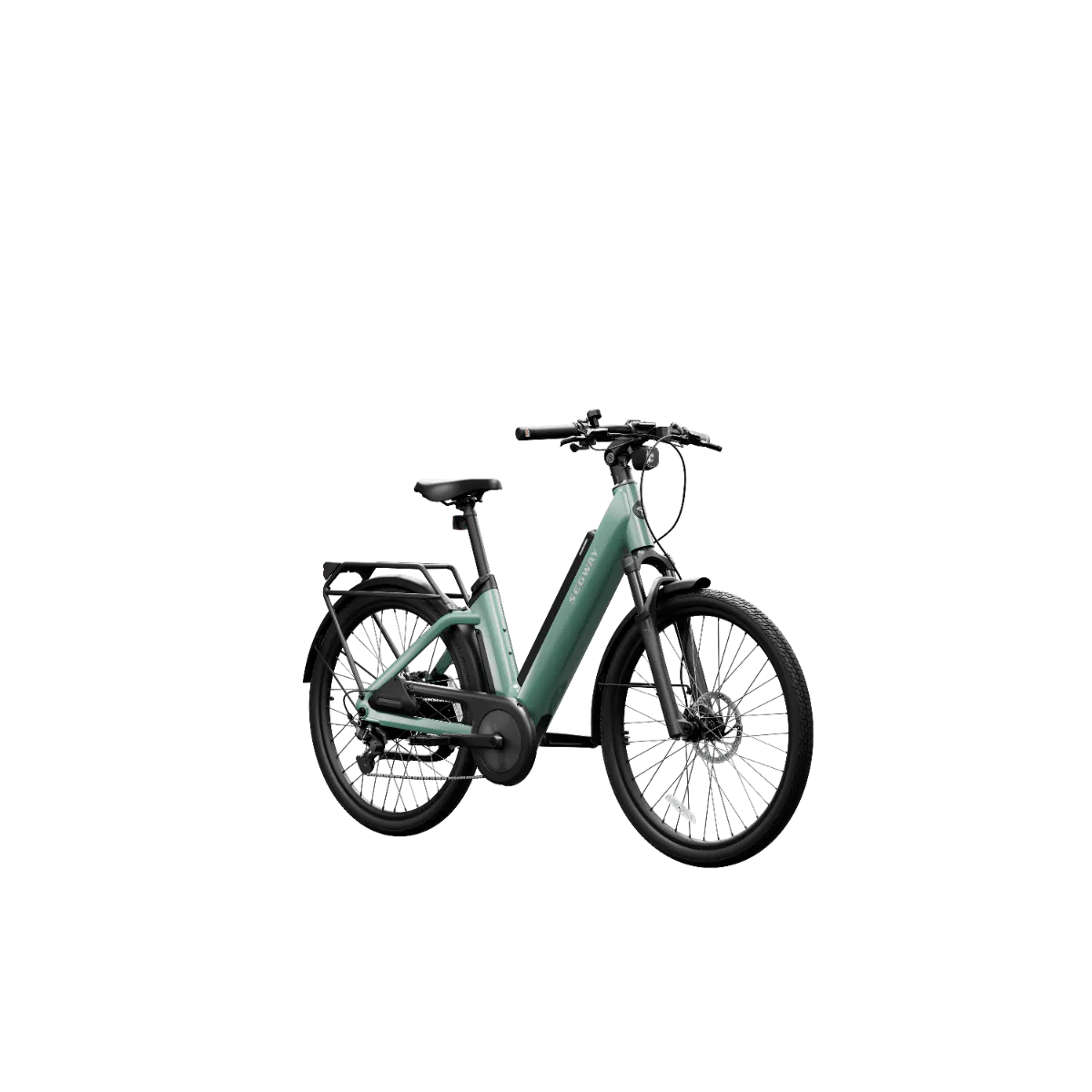
The Myon is a commuter eBike with a low step-through frame, a torque sensor for smooth, responsive assist and Shimano CUES 9-speed electronic auto shifting. It has 80 mm front suspension, up to 85 Nm of torque and Hybrid mode with a throttle up to 20 mph, where permitted by law (not available in California). It comes in two frame sizes, including a Regular size for riders 5’3″ to 6’2″.

How to Start Riding with Bad Knees
- Get the green light first: ask your doctor or physical therapist whether cycling fits your situation and how much to start with.
- Start short and flat: the Arthritis Foundation suggests that if you don’t exercise regularly, you start with about 10 minutes at low resistance and build up gradually.
- Use more assist at first: let the motor do more of the work, then lower the assist as you get stronger.
- Get the fit right: a saddle that’s too low or too high puts extra strain on your knees, so ask a Segway dealer to help you set it up.
- Listen to your body: if a ride causes new or worsening pain, stop and check with your doctor before riding again.
- Ride prepared: wear a helmet, follow local rules and start on quiet streets or paths.
New to eBikes? Read how to ride an electric bike, explore the health benefits of riding an electric bike, or see whether an electric bike is worth it.
Want to try one first? Book a test ride at a Segway dealer near you → Model availability varies by dealer, so call ahead.
Frequently Asked Questions
Can I ride an eBike if I have bad knees?
Many people with knee pain can ride, because cycling is low-impact and pedal assist reduces the effort on hills and starts. Check with your doctor or physical therapist first, especially if you have arthritis or are recovering from surgery.
Is riding an eBike still exercise if the motor helps?
Yes. With pedal assist, you still pedal the whole time; the motor adds power on top of your effort. You choose the assist level, so you can make the ride easier or harder.
Which Segway eBikes work with the Xiro dropper post?
Xiro is compatible with the Segway Myon, MUXI and MUXI Pro. It requires professional installation, so plan to have a Segway dealer fit it.
Can I use a throttle instead of pedaling?
The MUXI, MUXI Pro and Myon offer a throttle up to 20 mph in Hybrid mode, where permitted by law. A throttle can help you get started from a stop, while pedaling with assist keeps you active.