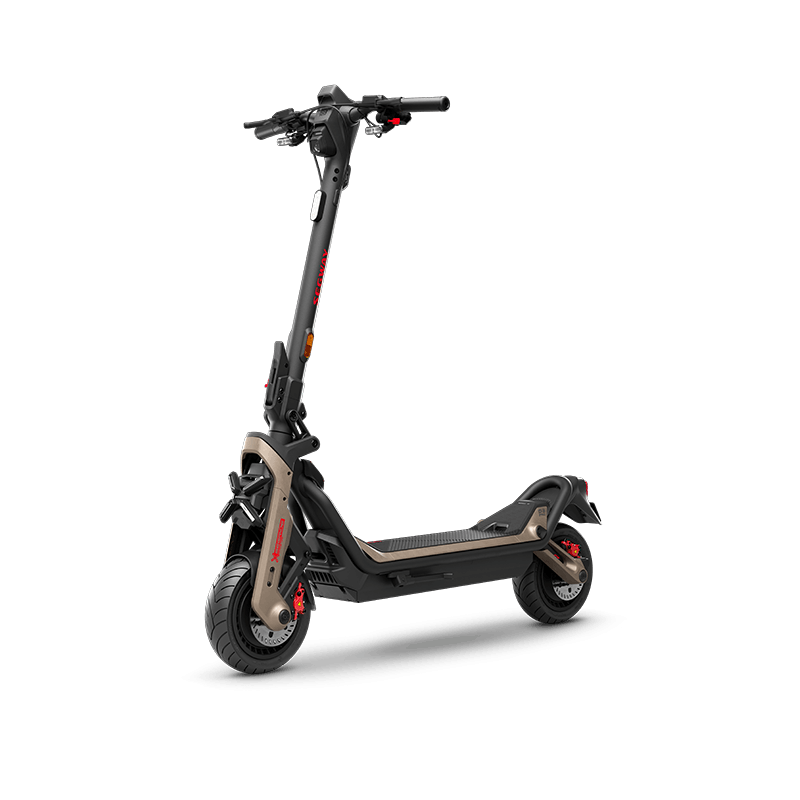
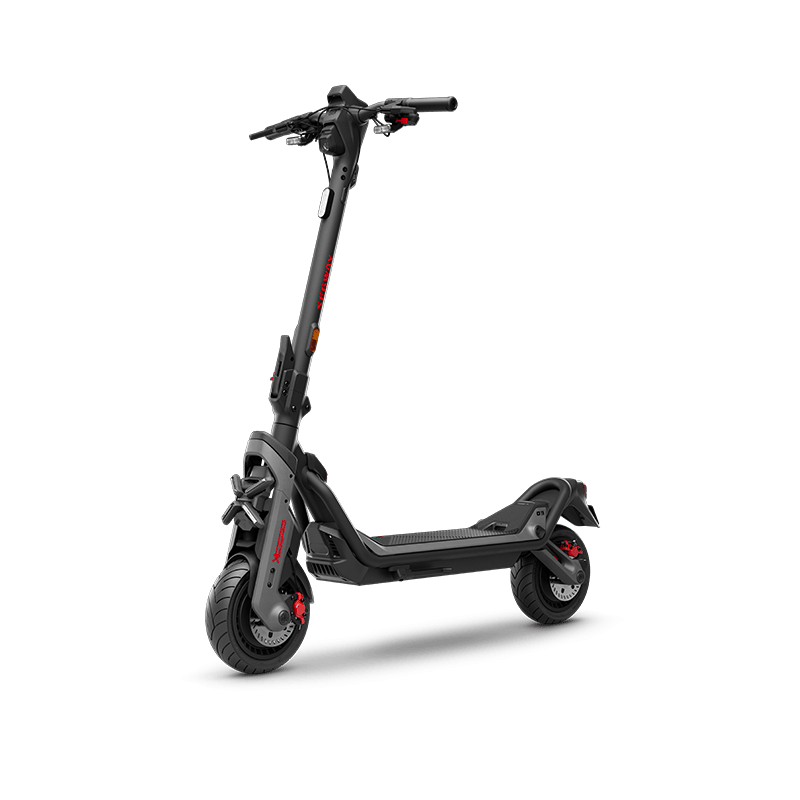

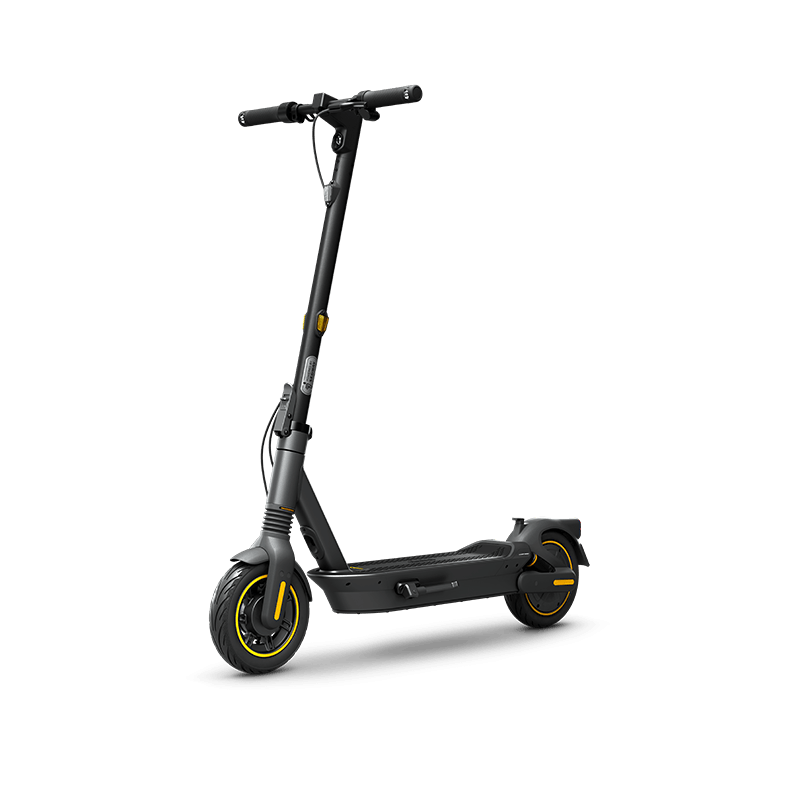
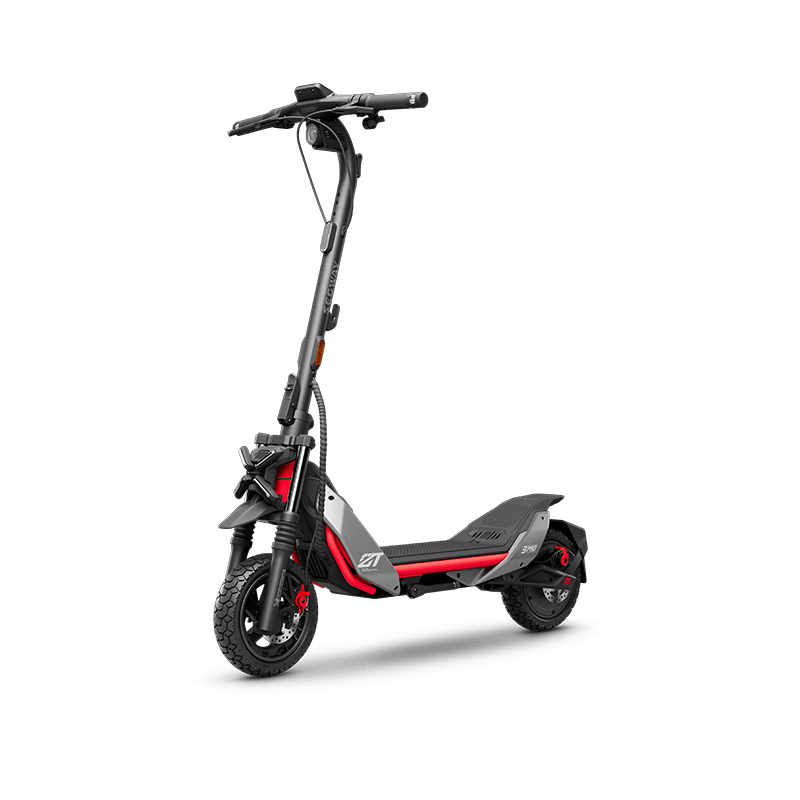
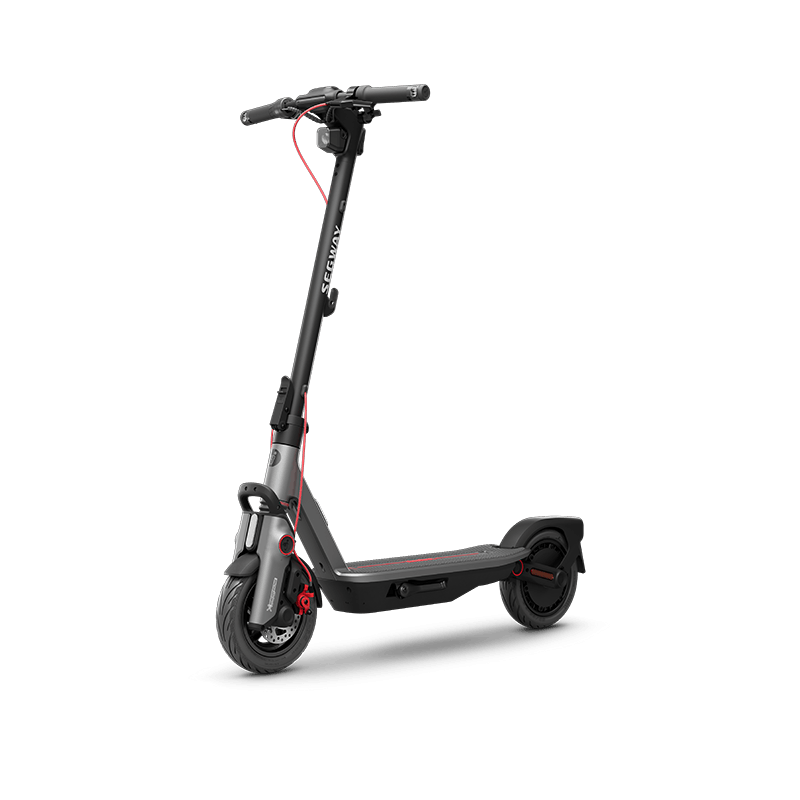
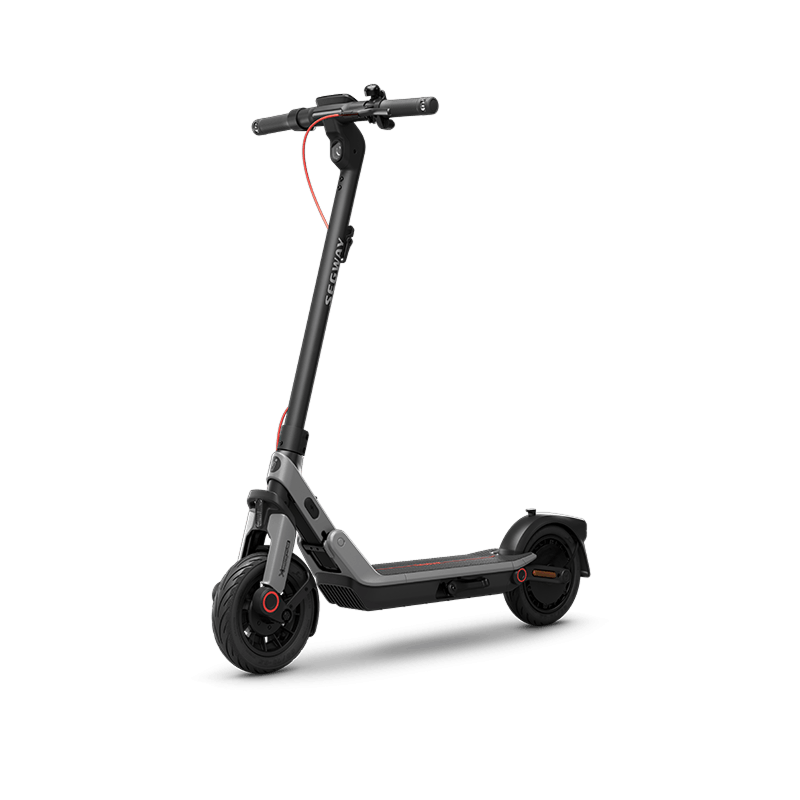
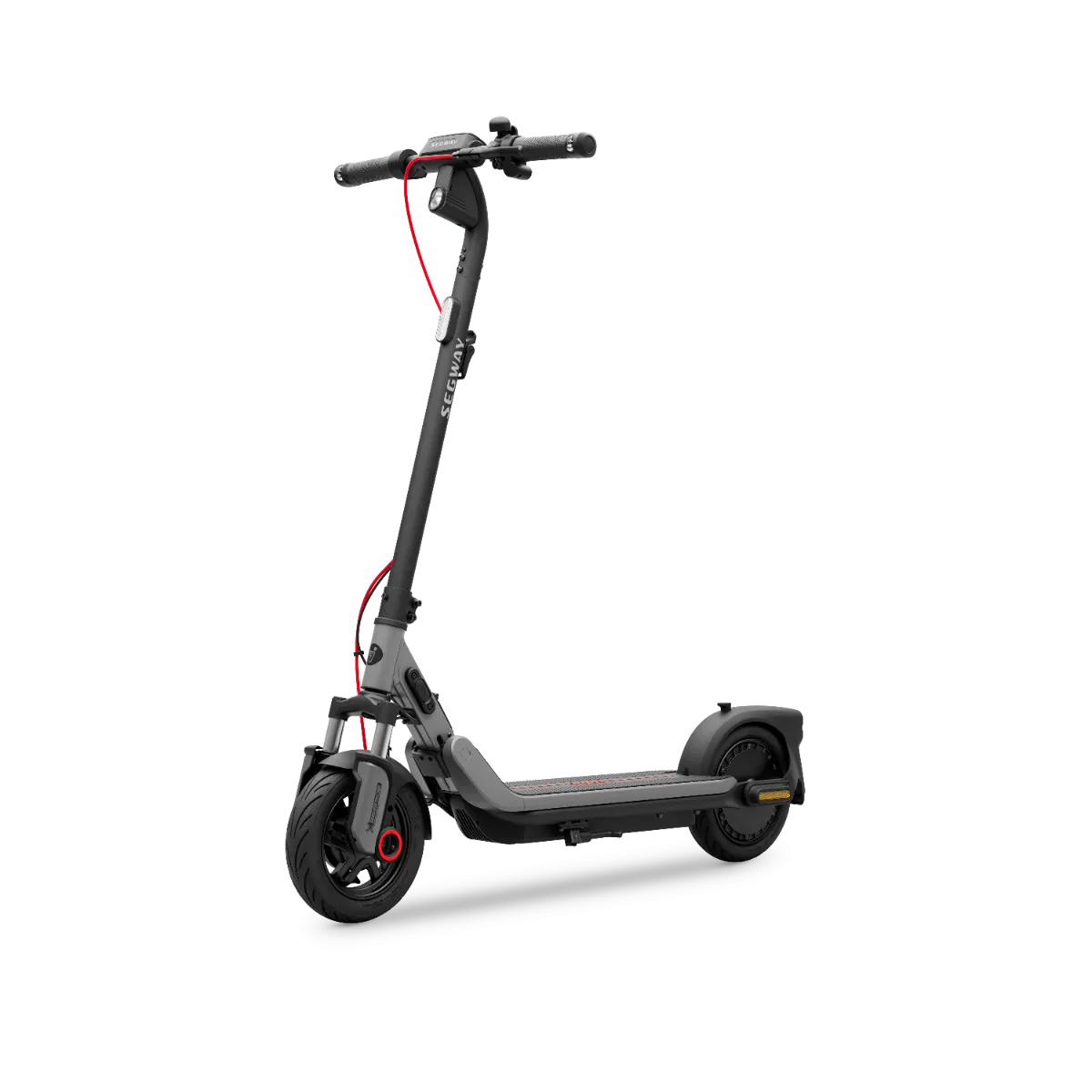
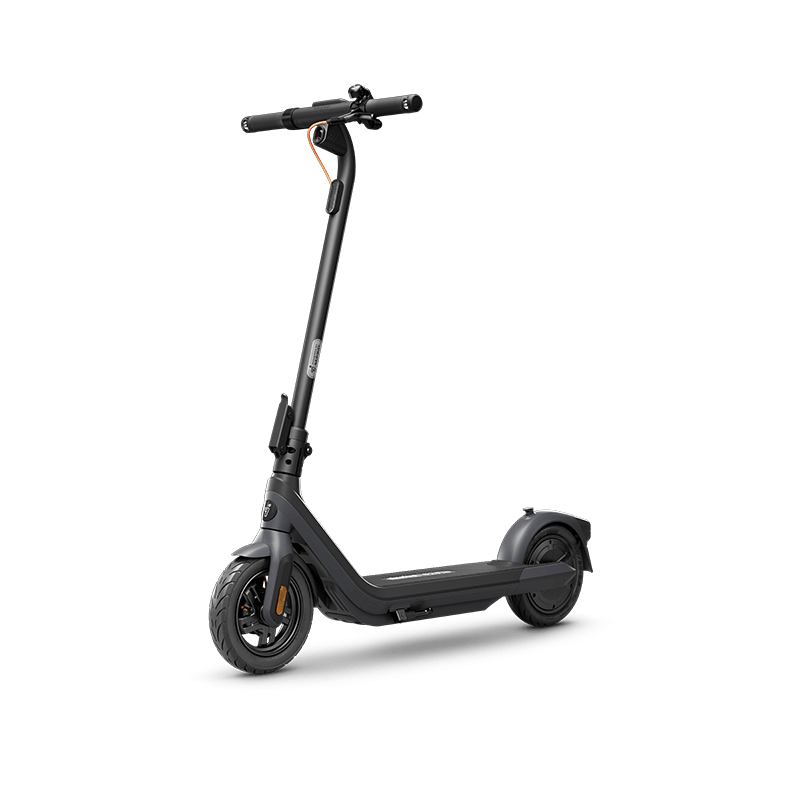
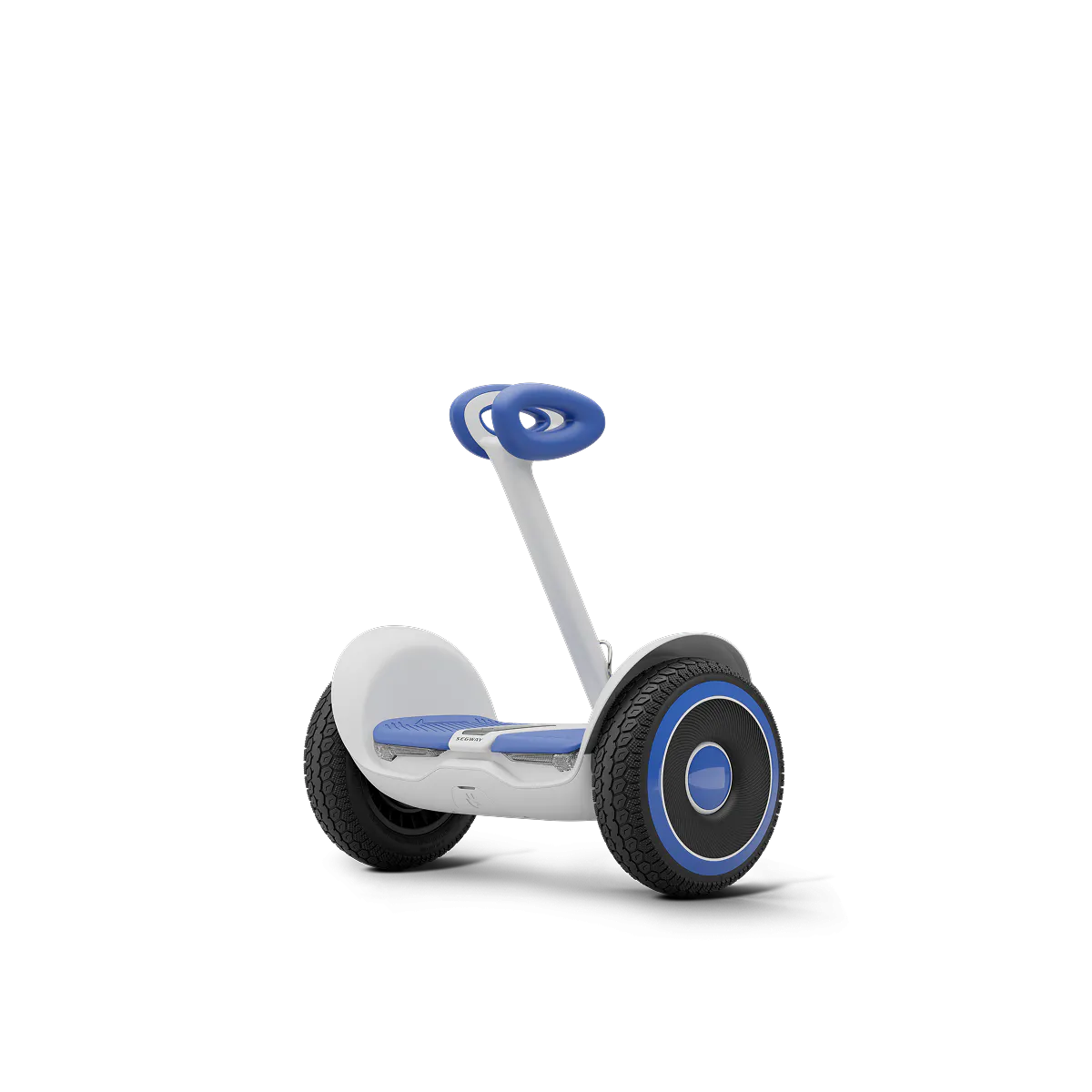





If you ride a MAX G3, you know the moment. You’re at an intersection as the light fades, you hit the turn signal, and you’re not quite sure the driver behind you saw it. That’s one of the things the MAX G3 Plus fixes. The rest of the changes are quieter but matter more over a long commute: a bigger battery, a new braking system and a new way of measuring range that makes the spec sheet look smaller than the scooter really is. This MAX G3 Plus vs MAX G3 breakdown covers what changed, what didn’t and who should upgrade.
The Short Answer
The MAX G3 Plus keeps the MAX G3’s suspension, tires, payload and top speed, so the two are close relatives on the road. Rider Guide summed it up well: “The MAX G3 Plus improves the formula rather than replacing it.” What changes is everything around a longer commute: a battery about 20% larger, brakes that stop shorter and dedicated rear turn signals. If your rides regularly push your MAX G3’s battery, the MAX G3 Plus is the better pick. If your MAX G3 gets you home with charge to spare, there’s no rush.
What Changed and What Stayed the Same
Here are the two spec sheets side by side. The top rows are what changed; the bottom rows are what didn’t.
| Spec | MAX G3 Plus | MAX G3 |
|---|---|---|
| Battery | 717 Wh | 597 Wh |
| Max power | 2200 W | 2000 W |
| Brakes | Front and rear double-action piston disc, 140 mm rotors, Intelligent Braking System | Front and rear disc |
| Dedicated Rear Turn Signals | Yes | No (Handlebar turn signals only) |
| Charging time (single / dual) | Approx. 4 h / 3 h | Approx. 3.5 h / 2.5 h |
| Weight | Approx. 56 lbs | Approx. 54.2 lbs |
| Nominal power | 850 W | 850 W |
| Suspension | Front twin-tube hydraulic, rear dual hydraulic | Front twin-tube hydraulic, rear dual hydraulic |
| Tires | 11-inch tubeless self-sealing | 11-inch tubeless self-sealing |
| Top speed | 20 mph default, 28 mph with High Speed enabled* | 20 mph default, 28 mph with High Speed enabled* |
| Max payload | 286 lbs | 286 lbs |
| MSRP | $1,499.99 | $1,499.99 |
*Where permitted by law. Both models are rated for riders 16 to 55 years old and at least 5’3″ tall.
The Upgrades That Change Your Daily Ride
A battery about 20% larger
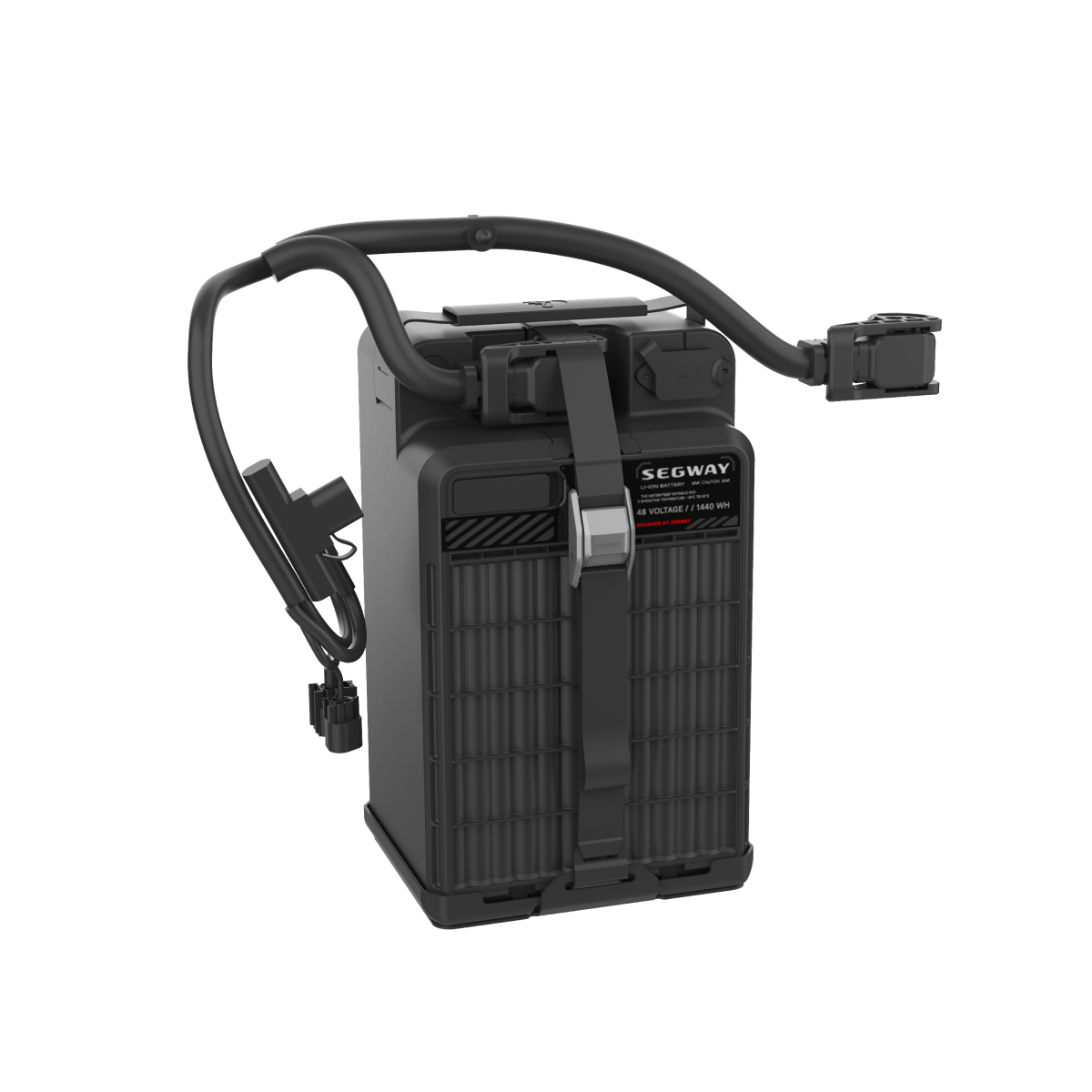
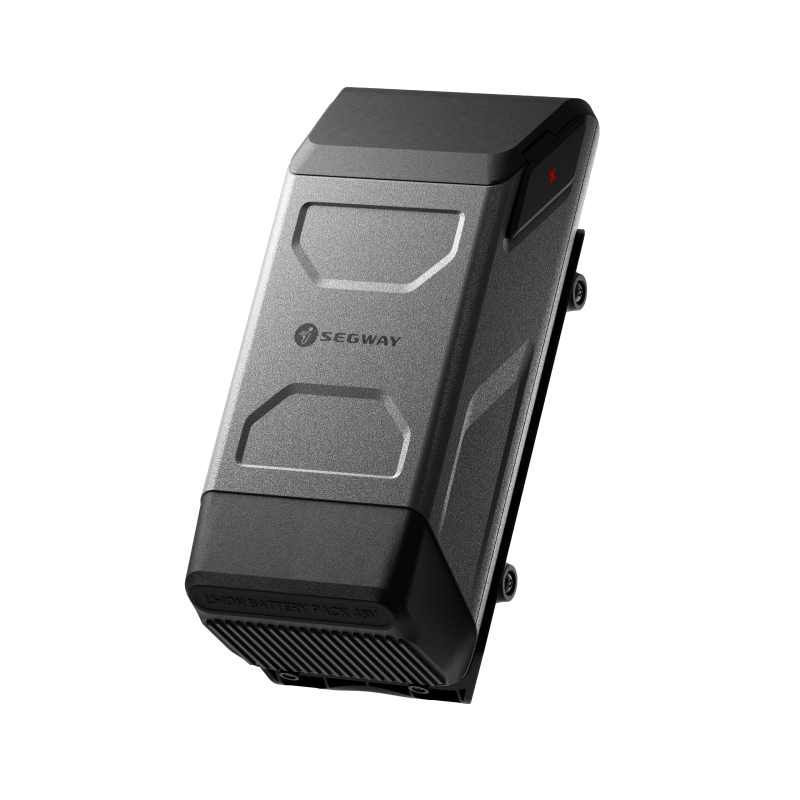
The jump from 597 Wh to 717 Wh is the change that matters most day to day. More energy means more riding between charges at the same speed, or the same trip in a faster mode. You pay for it with about half an hour more on the charger and roughly 2 extra pounds, a fair trade for most commuters.
How much does that buy you in the real world? It depends on how you ride. Rider Guide ran what it called a demanding real-world range test, with an approximately 200-pound rider, frequent high-speed riding, hills, stop-and-go riding and SPORT mode, and still covered 21.2 miles. Ride in ECO or DRIVE at steadier speeds and the number climbs well past that.
Rear turn signals drivers can see
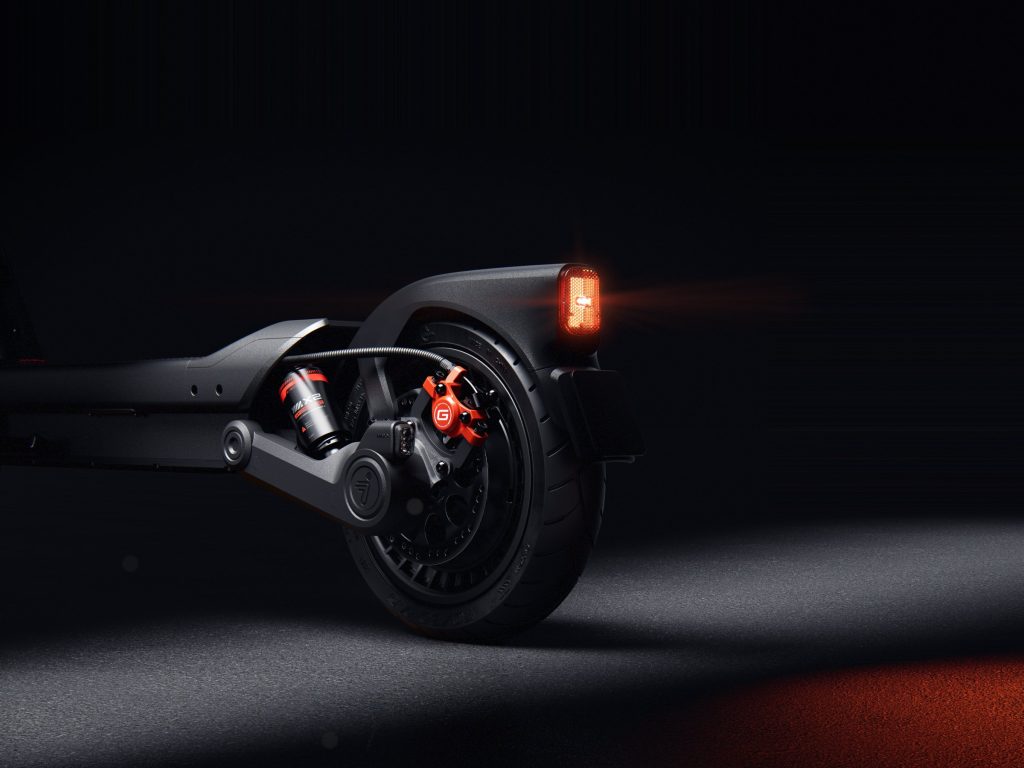
The original MAX G3 has turn signals on the handlebar only. The refreshed MAX G3 Plus adds dedicated signals at the rear, where drivers behind you are looking, and the underglow lights flash yellow with them. Unfinished Man called it “a small change with a payoff: you can signal your turn electronically and keep both hands on the handlebars, ready to brake.” Read the Unfinished Man comparison.
Stronger, smoother braking
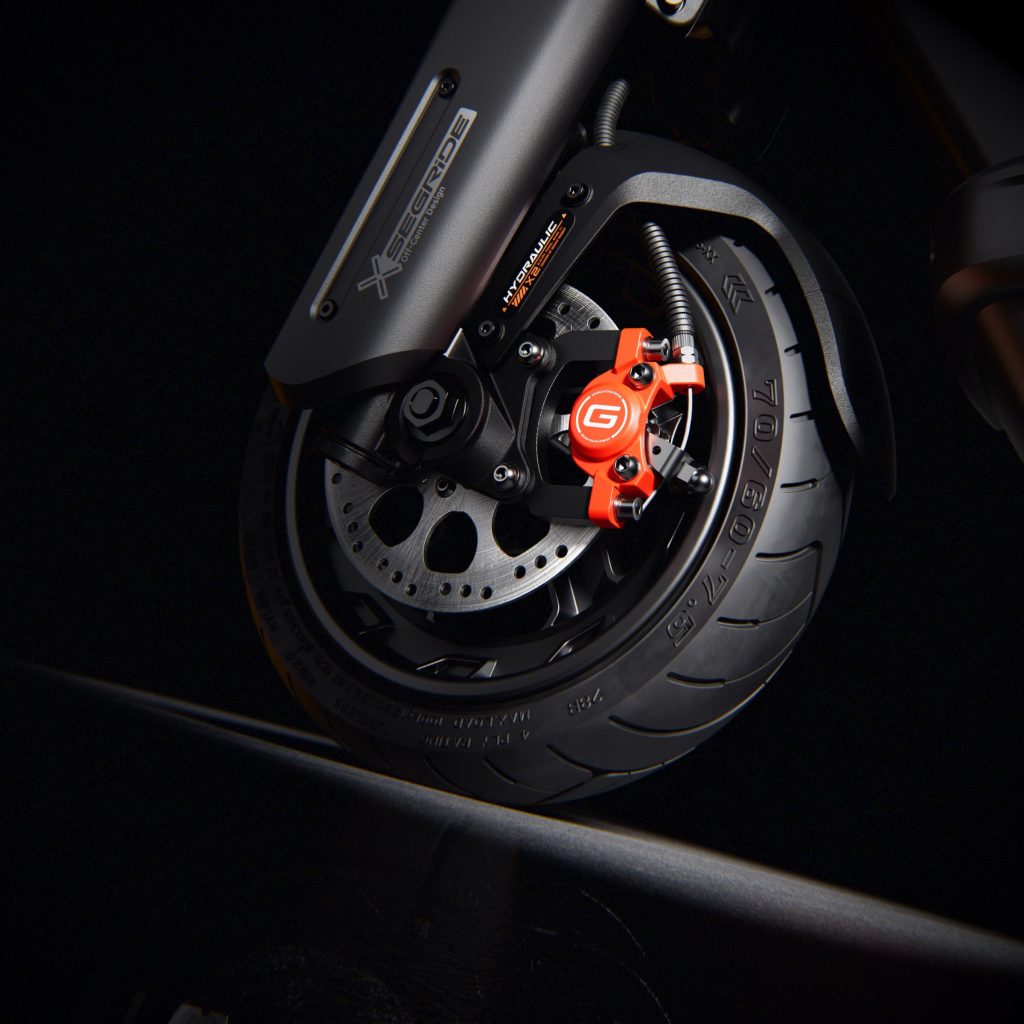
Double-action piston disc brakes with 140 mm rotors work with the Intelligent Braking System, which brings you to a stop 15% shorter when compared to the MAX G3. Heavier loads and riders on steep streets benefit most, since braking distance grows with load and speed.
For a sense of scale, Rider Guide stopped the MAX G3 Plus from about 16 mph in 13 to 14 feet in its braking test. Read the Rider Guide review.
Why the Range Numbers Can’t Be Compared Directly
On paper, the MAX G3 is rated at up to 50 miles and the MAX G3 Plus at up to 56 miles. That gap looks small for a battery that is 20% bigger. The reason is that Segway changed how it measures range.
- MAX G3: rated under Segway’s previous range test, which recorded range when the scooter was completely drained.
- MAX G3 Plus: rated under the new test, which runs each mode at its top speed and stops when speed drops to 60% of that maximum, to reflect usable range.
This means that your typical ride will be able to maintain higher speeds as your charge runs lower, reducing what is called “voltage sag.” The previous testing standard recorded range when the scooter was completely drained, rather than at the new 60% speed-drop threshold.
Unfinished Man, which compared the two models spec by spec, put the difference in real-world terms: “Compared to the original G3, the Plus gets about 12 more miles of real-world range (if tested the same way).”
Because the methods differ, the two headline numbers aren’t a like-for-like comparison. Battery capacity is the clearer guide. For planning your own trips, use the MAX G3 Plus’s per-mode ratings: about 56 miles in ECO, 36 in DRIVE, 28 in SPORT and 22 in SPORT+.
Should You Upgrade? Match It to How You Ride
The right answer depends on the riding you do most.
- Your round trip uses most of your MAX G3’s battery: upgrade. The extra capacity is a buffer for detours, headwinds and cold mornings, and that buffer is what takes the stress out of a long commute.
- You carry heavier loads or ride steep streets: upgrade. Stopping 15% shorter than the MAX G3 matters most when braking distance is already longer.
- Your commute is short: keep your MAX G3. As Unfinished Man put it, the Plus “handles hills and rough terrain exactly as well as the G3 does,” so the ride feels very similar.
- You carry the scooter often: either works, but the MAX G3 Plus is about 2 lbs heavier.
- You’re buying your first MAX: go straight to the MAX G3 Plus. It’s the newer model, with more range, shorter stops and dedicated rear turn signals.
Getting More From the Scooter You Have
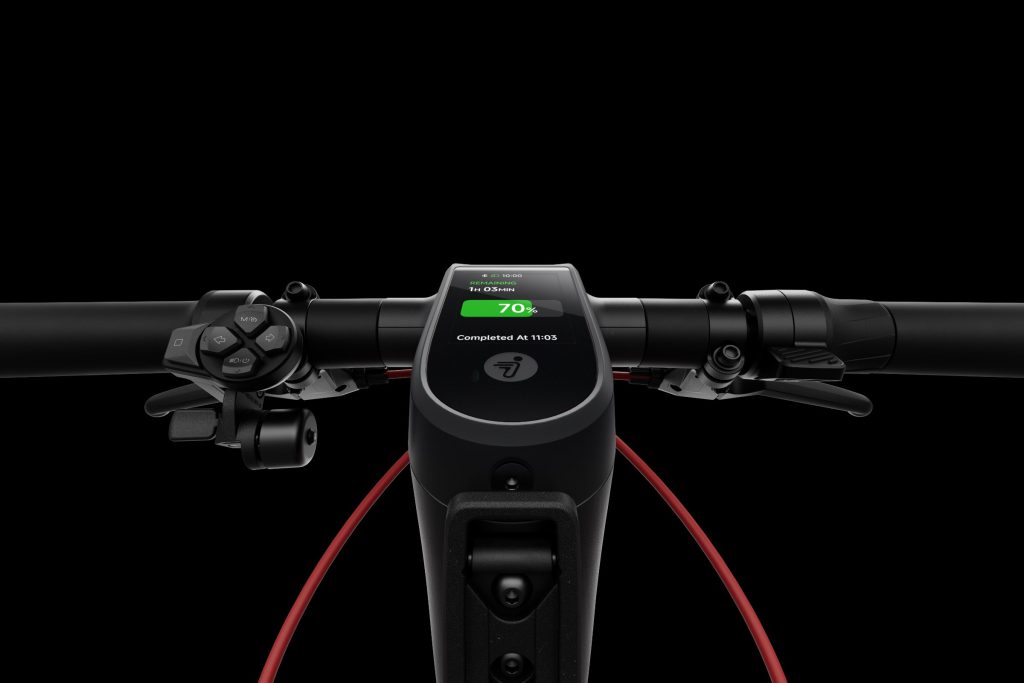
Whichever model you ride, scheduled charging and a customizable charging limit are on both. Keeping tires at 42–48 psi and choosing the right speed mode stretch range on either one. The MAX G3 Plus commuter guide covers these settings step by step, and the MAX G3 Plus review roundup shows what testers found. If you’re weighing a scooter commute against driving, see the health benefits of riding an electric scooter.
Frequently Asked Questions
What is the difference between the MAX G3 and MAX G3 Plus?
The MAX G3 Plus adds a 717 Wh battery (up from 597 Wh), double-action piston disc brakes with 140 mm rotors and the Intelligent Braking System, which stops 15% shorter than the MAX G3, and dedicated rear turn signals. The suspension, tires, payload and top speed are the same.
Does the MAX G3 Plus have better suspension than the MAX G3?
No. Both use a front twin-tube hydraulic shock and dual rear hydraulic shocks, so ride comfort is very similar.
Does the MAX G3 Plus go farther than the MAX G3?
Its battery holds about 20% more energy, so it can cover more distance on a charge. The rated 56 and 50 miles come from different test methods, so they are not a direct comparison.
Is the MAX G3 Plus heavier?
Slightly. It weighs approx. 56 lbs versus approx. 54.2 lbs for the MAX G3.