



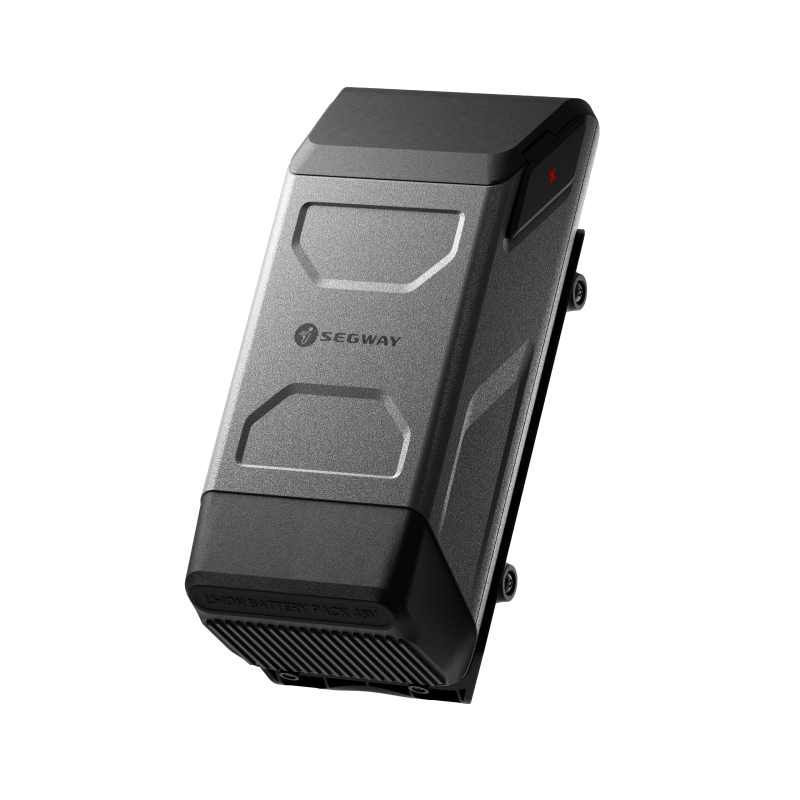






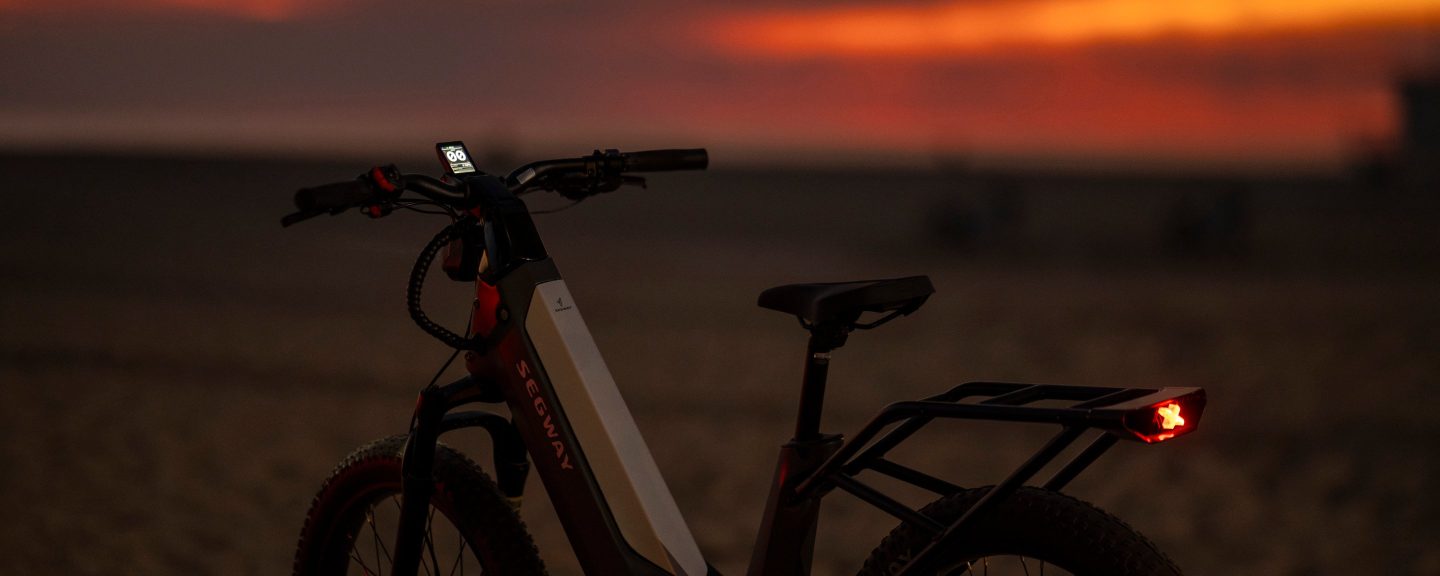
All batteries eventually wear out, but not all do so at the same rate. While manufacturing tolerances and design may play a role in eBike battery longevity, the most important factor is maintenance. To prolong eBike battery life, the user must be familiar with proper storage techniques, charging habits, and signs of wear or damage.
Understanding Your eBike Battery
The battery is the most expensive part of an eBike. Electric bike battery maintenance is not only essential for reliability and performance, it saves money, too.
Types of eBike Batteries
Early eBikes used traditional lead acid batteries, though other technologies such as nickel-cadmium and nickel-metal hydride became more widespread to reduce weight and improve power or range.
The most important advancement in the proliferation of electric bicycles was the adoption of lithium-ion batteries, which dramatically reduced weight while increasing energy output and durability.
While lithium-ion batteries represent a game-changing improvement over previous technologies, they have their own quirks and issues. To get the longest life and best performance, proper eBike battery maintenance must take the peculiarities of lithium-ion batteries into account.
Battery Lifespan & Performance Factors
Lithium-ion batteries are also highly susceptible to extreme temperatures. High heat can cause the battery to drain quickly, overheat, and even cause dangerous thermal runaway, which can lead to the battery melting or catching fire. Extreme cold can cause lithium plating, which causes permanent capacity loss.
How Long Do eBike Batteries Last?
How long an eBike battery lasts depends more on charge cycles and care than on the calendar. One charge cycle equals a full 0–100% charge, so two charges from 50% count as one cycle. Lithium-ion eBike batteries are typically designed to keep around 80% of their original capacity after several hundred full cycles, often up to about 800. At one full charge a day, that works out to roughly two years; charge less often and it lasts longer. After that point the battery still works, just with less range. Heat, cold, deep discharges and always charging to 100% all speed up capacity loss.
Best Practices for Charging Your eBike Battery
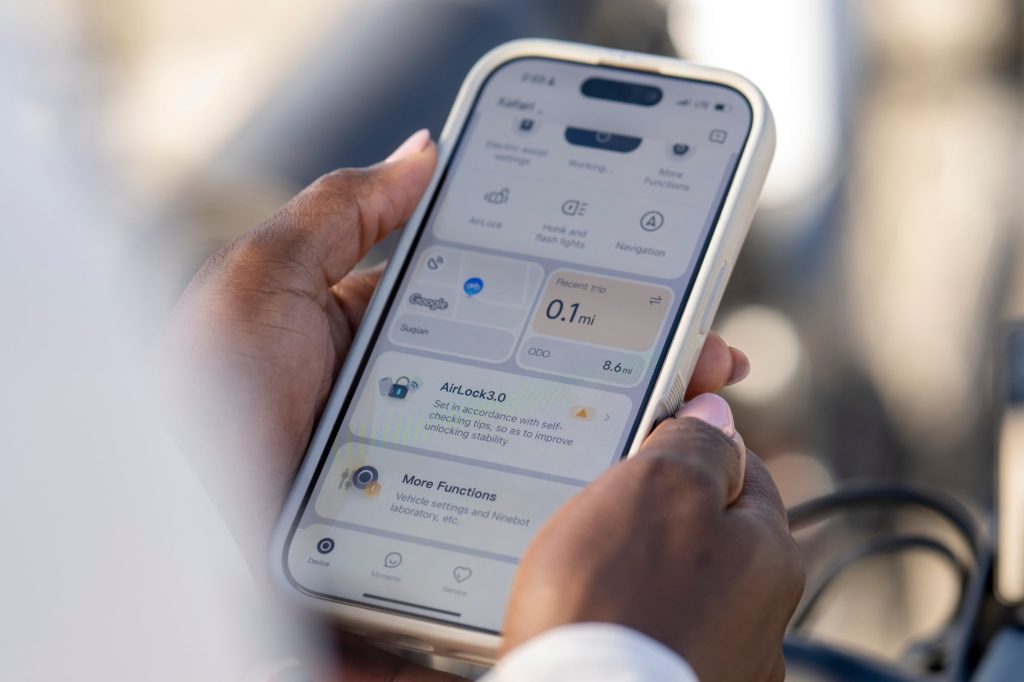
In general, new batteries must be charged for about 12 hours. At the start of your first ride, the battery should be at 100%. After this point, the battery will be at its healthiest when kept between 20% and 80% charged.
Learning how to charge an eBike battery is, for the most part, as simple as following the manufacturer’s guidelines and using the right equipment.
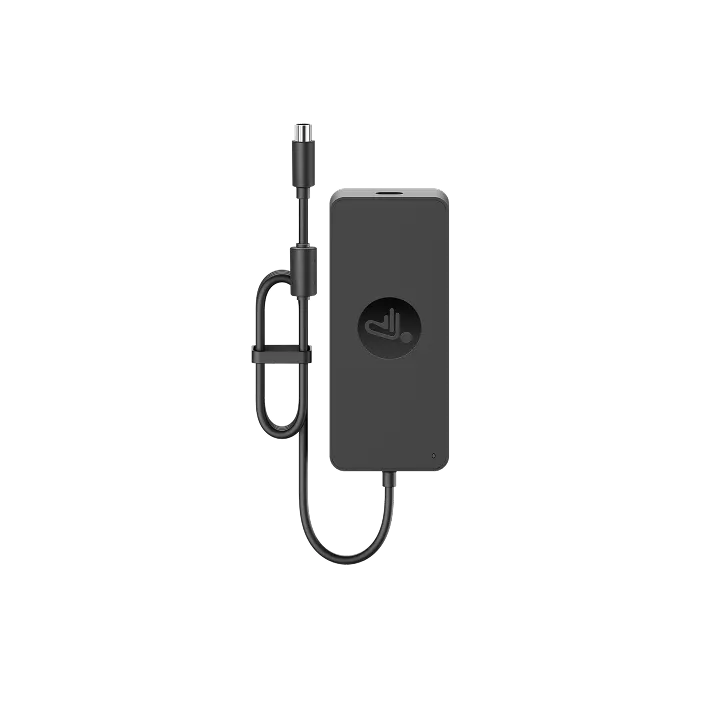
Use the Manufacturer-Provided Charger
Aftermarket chargers may seem like a good deal, but they can ruin a perfectly good battery and void your warranty.
Manufacturer chargers are designed to match your eBike battery’s connectors, power limit, and charging rate. Third-party chargers can provide the wrong voltage, overcharging the battery, which can cause it to overheat.
Charge in a Cool, Dry Place
The optimal storage and charging temperature to prolong eBike battery life is around 60 degrees F or about 16 degrees C. It’s also important to keep the battery out of direct sunlight, as this can cause it to heat up in an otherwise cool room. The area should also be well-ventilated with low humidity.
Avoid Charging to 100% Every Time
One of the most important factors in eBike battery maintenance is keeping it in its optimal state of charge. Unless you are planning an exceptionally long ride, the battery should not be filled to 100%. For daily use, charge the battery to around 80%.
Don’t Let the Battery Fully Deplete
Fully discharging a lithium-ion battery can lead to irreversible damage that will reduce its capacity. As a matter of routine electric bike battery maintenance, don’t let the battery drop below 20%, whether in use or storage. If your battery does happen to drain completely, charge it again as quickly as possible.
Unplug After Charging Is Complete
A manufacturer’s charger may be designed to protect the battery, but leaving the charger plugged in indefinitely can still lead to overheating and long-term damage. Always unplug the battery once it reaches the optimal state of charge.
Storage & Maintenance Tips for Long-Term Battery Health
How you maintain your eBike battery will determine whether it stays healthy or wears out before its time.
Store at Partial Charge for Long Periods
When you put your eBike into extended storage, leave the battery at a 50% to 60% charge, but never fully charged or depleted. You should periodically check the battery’s charge to make sure it is not draining during storage.
Keep the Battery in a Moderate Climate
The ideal storage temperature is between 50 and 77 degrees F or 10 to 25 degrees C. Lower or higher temperatures can degrade cells and permanently damage the battery. Also, store the battery in a dry area. If left in damp conditions, moisture can dilute the battery’s electrolytes and reduce its performance.
Regularly Inspect for Damage
Another essential aspect of eBike battery maintenance is engaging in regular inspections. Look for any leaks, swelling, or excessive heat during the charging process. These signs could indicate serious damage to the battery. Contact your eBike’s manufacturer for support should there be any such problems.
Common Mistakes to Avoid When Charging Your eBike Battery
Proper eBike battery care will almost always reward you with years of trouble-free performance. Here’s a short checklist of mistakes that can shorten your battery’s lifespan:
- Using an incompatible charger
- Charging in extreme temperatures
- Leaving the battery unused for long periods without maintenance
- Overcharging or completely draining the battery regularly
It’s still possible to get a battery with a manufacturing error or experience damage that’s outside of your control, but the odds are in your favor when you exercise proper care.
Battery care is one part of a bigger routine. See our essential maintenance tips for your electric bike and our guide to riding an electric bike. Wondering how the savings add up? Read Is an Electric Bike Worth It?
Final Thoughts: Take Care of Your eBike Battery for Optimal Performance
Lithium-ion batteries represent a fantastic leap in usefulness over previous technologies, but they still need the right care.
Keeping your eBike battery out of extreme temperatures and humidity, maintaining a 20% to 80% charge, using the manufacturer’s charger, and regularly inspecting for damage gives it the best chance at maximizing its lifespan.
Well-cared-for batteries are also less likely to overheat.
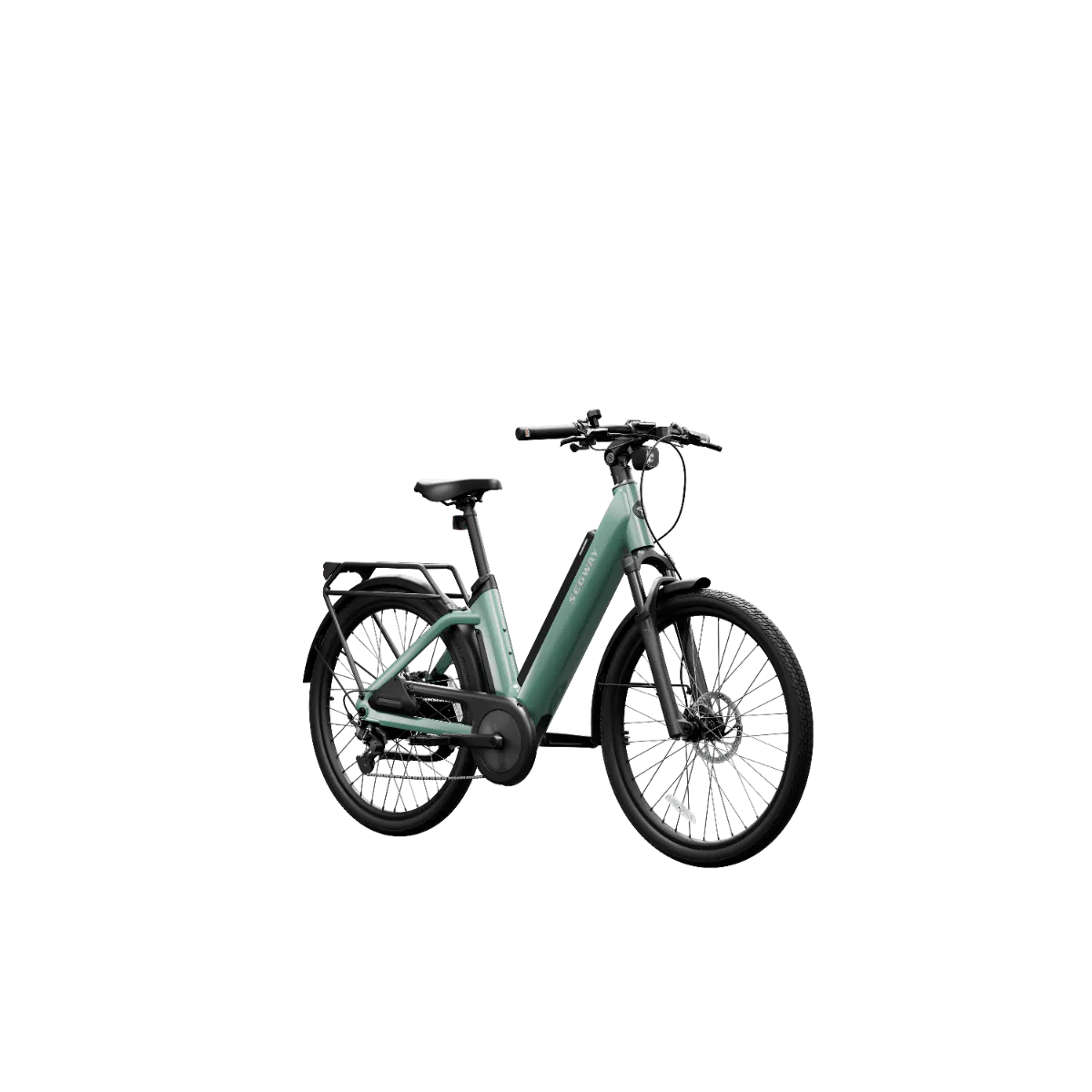
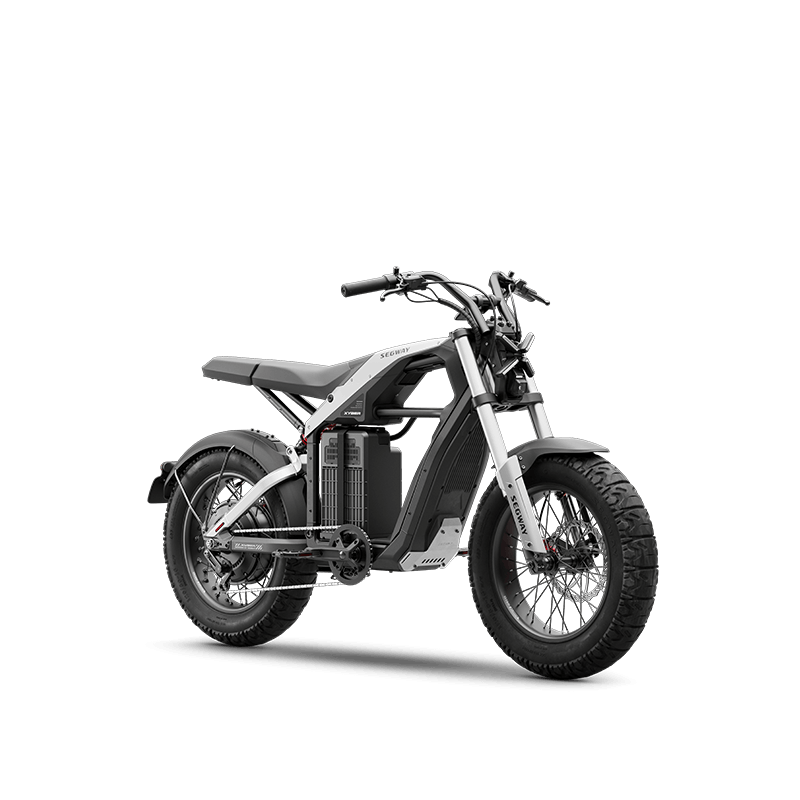
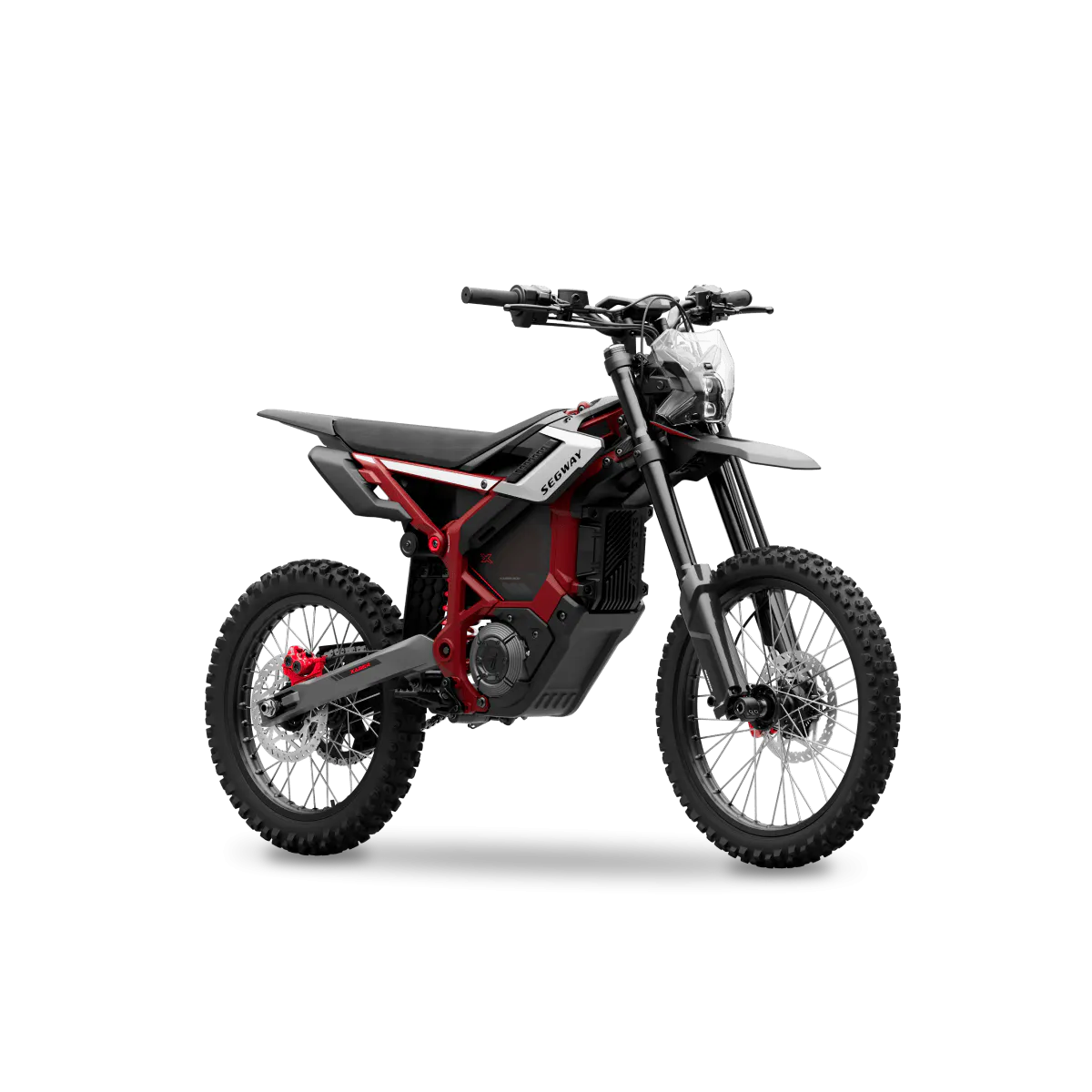
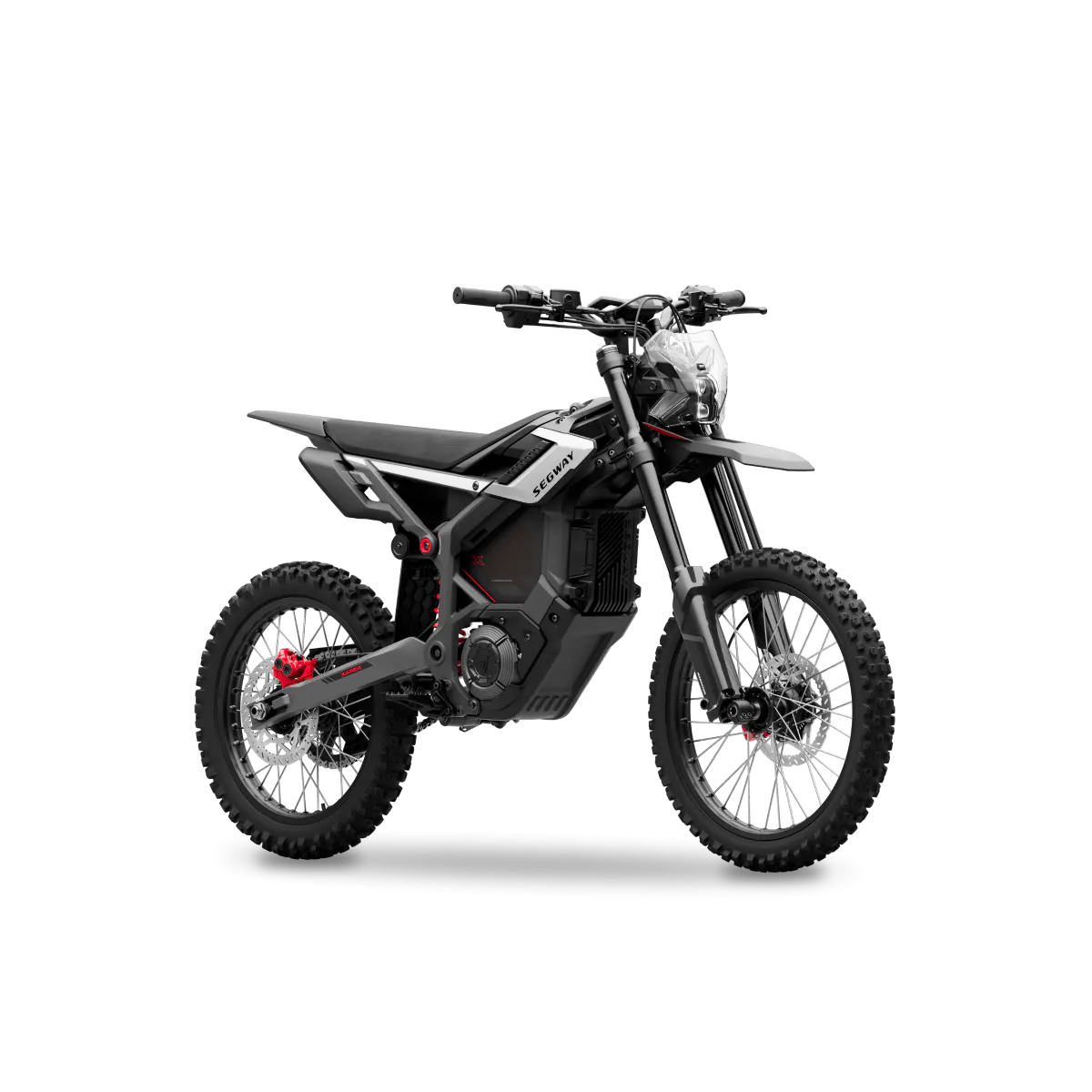
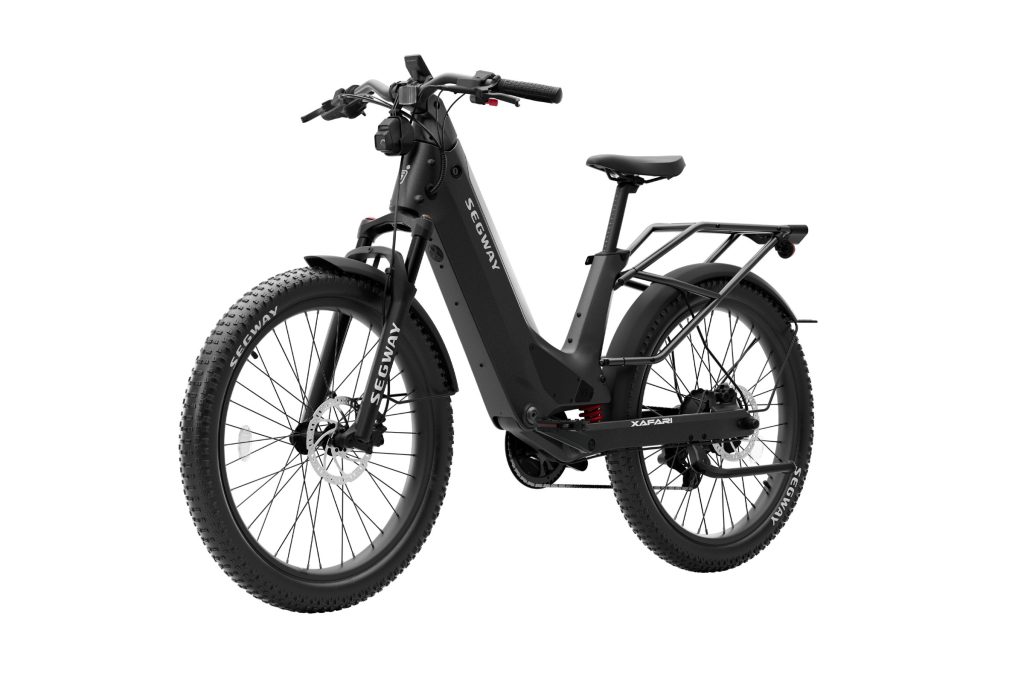
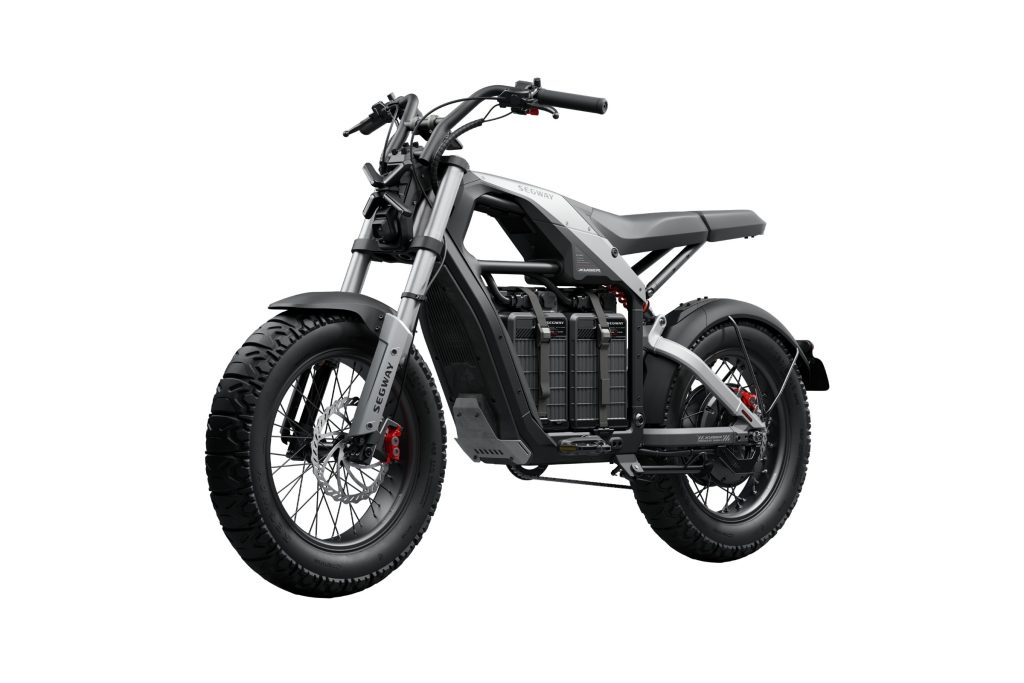
Segway eBikes use a battery management system to help protect the battery. The Xafari is rated for up to 88 miles, and the off-road-only Xyber for up to 112 miles with two batteries installed. Our top-tier battery technology gives you the power you want without sacrificing range. Explore the latest Segway models to see how exciting eBikes can be.
Want to try a Segway eBike first? Book a test ride at a Segway dealer near you →
Frequently Asked Questions
How long do eBike batteries last?
It depends on how often you charge. Lithium-ion eBike batteries are typically designed to keep around 80% of their original capacity after several hundred full charge cycles, often up to about 800. That is roughly two years of daily charging, and longer with lighter use. Good charging and storage habits help slow capacity loss.
Should I charge my eBike battery to 100%?
For daily riding, charge to around 80% and keep the battery between 20% and 80%. Charge to 100% only before an unusually long ride.
What is the best temperature to store an eBike battery?
Store it between 50 and 77°F (10 to 25°C) in a dry place out of direct sunlight. For long-term storage, leave it at a 50% to 60% charge and check it periodically.