
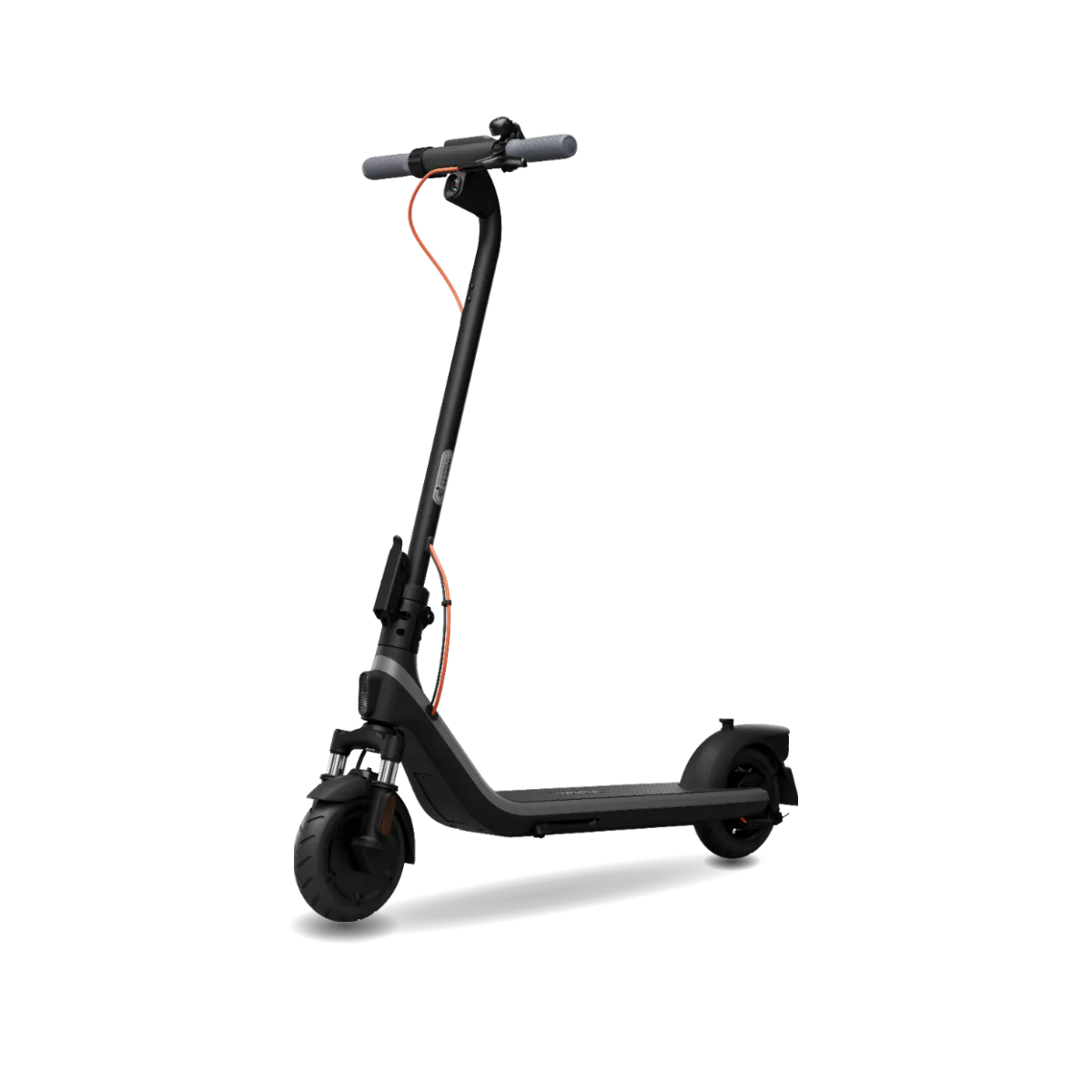
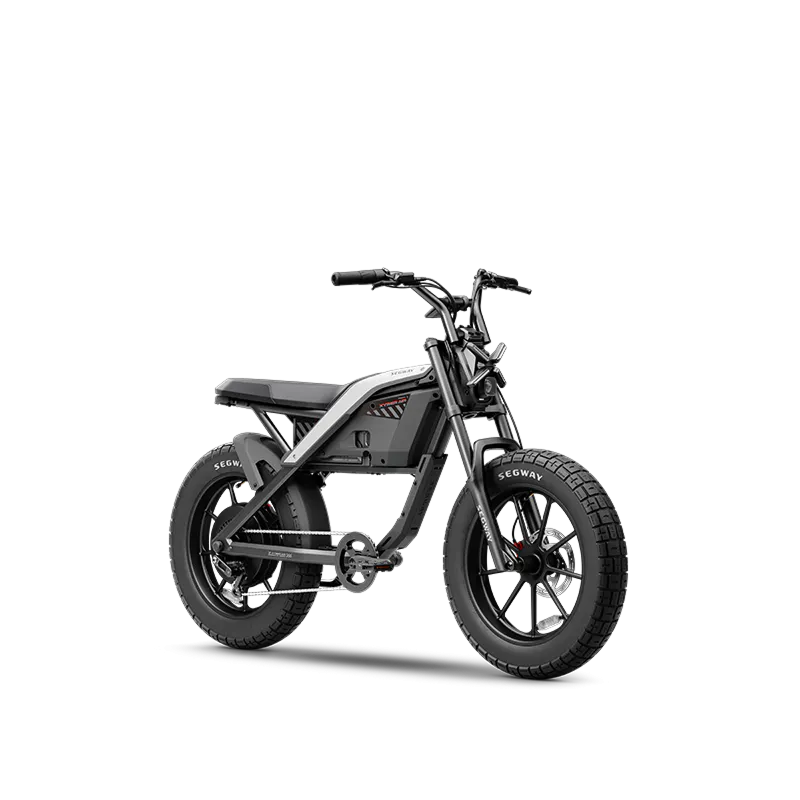
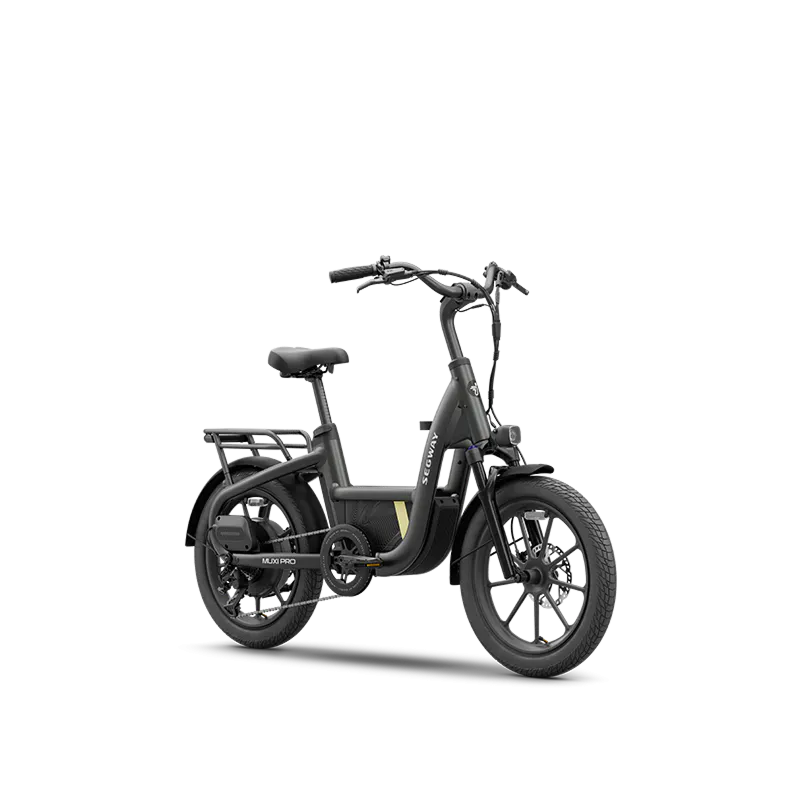
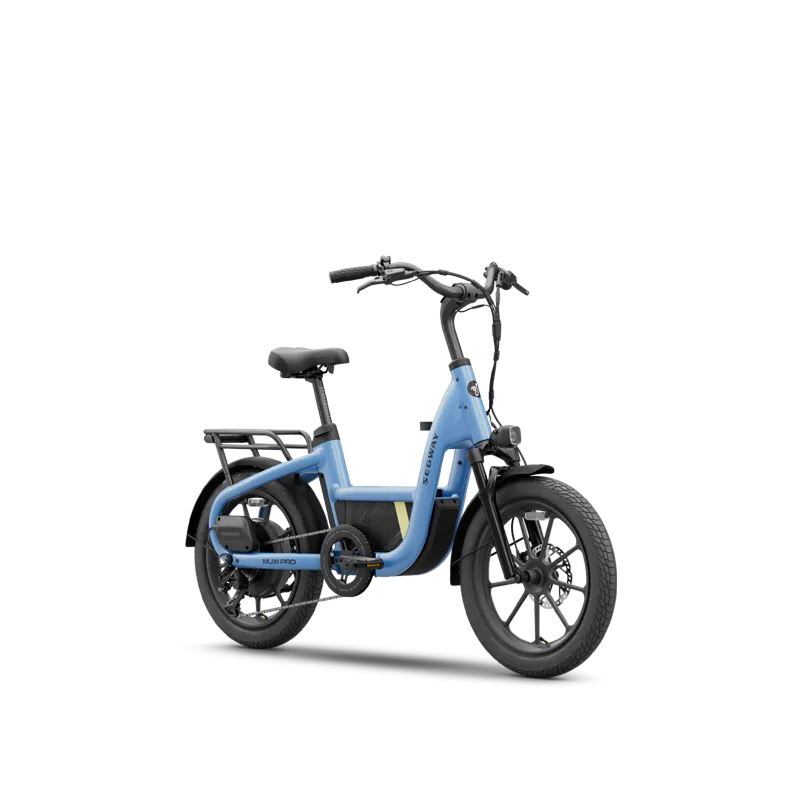



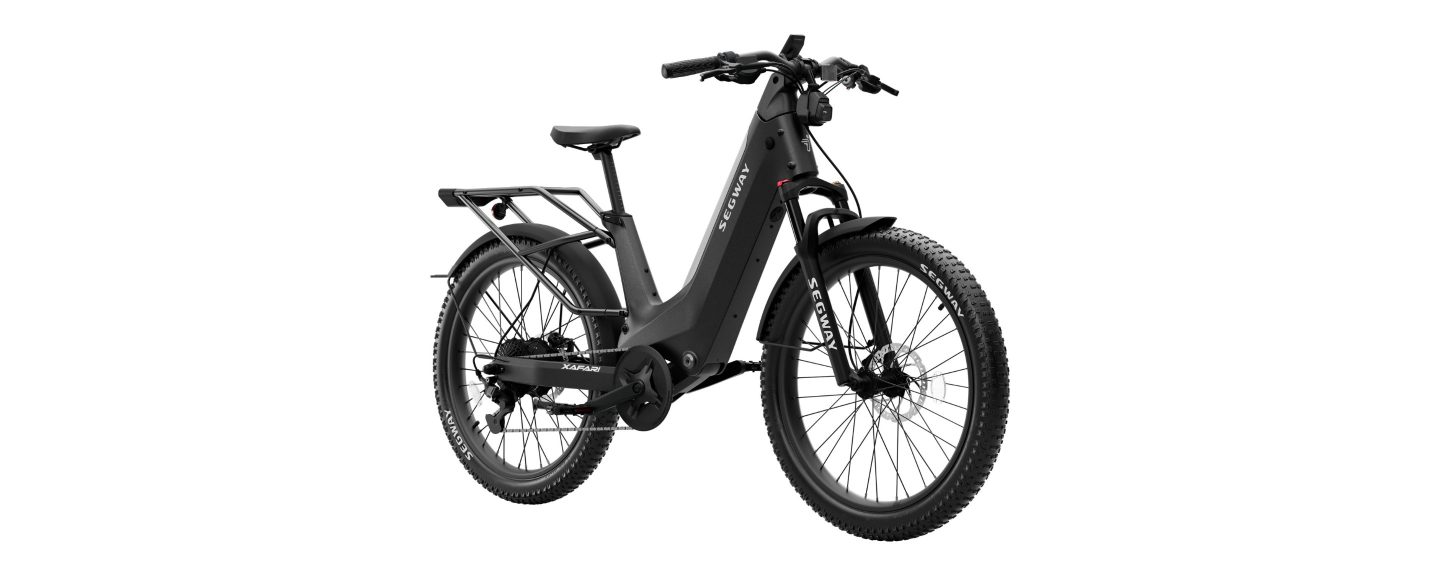
If you’ve been considering purchasing your very first electric bike (eBike), you are about to ride off into a fun and exciting world. At the same time, though, lacking experience with any powered two-wheel vehicle might make the idea of a motorized ride feel more than a bit intimidating.
Before you hop on, use our guide to riding an electric bike to build your confidence. And trust us, it’s a blast once you get the hang of it.
What’s Different About an eBike?
Perhaps the most important thing to mention first and foremost in a guide to riding an electric bike is that these vehicles, despite still being referred to as “bikes,” have several key differences that set them apart from their traditional counterparts.
These include the following:
Pedal-Assist vs. Throttle
Electric bikes typically offer a form of pedal assist, where the motor amplifies your pedaling. It’s a feature that makes going up hills and enduring long rides much easier, though it does take some getting used to, seeing as your speed will outpace your perceived effort.
Some eBikes even offer throttles instead, which allow you to cruise around without pedaling at all.
Power Modes and Motor Behavior
Today’s eBikes all come with adjustable power settings, like eco, normal, and high. The motor engages based on your pedaling or throttle input.
Speed Limits and Legal Considerations
In the U.S., most eBikes are capped at 20 mph (Class 1 and Class 2) or 28 mph (Class 3), depending on their class. Check your local regulations to find out what’s required for your class of eBike.
Getting Started: What You’ll Need Before You Ride
Knowing how to ride an electric bike involves more than simply learning to steer; it also involves knowing what you need to have a safe and enjoyable ride. If you do not have an eBike yet, you can book a test ride at a Segway dealer near you to try one first.
These items include the following:
Properly Sized eBike
Just like traditional bicycles, eBikes are available in many different sizes and configurations, so you’ll want to carefully choose one that matches your height and riding style. A good fit will keep you from overexerting yourself and ensure your comfort while moving around.
Helmet and Safety Gear
Next, you’ll need a certified bike helmet. You may also want some extra safety gear, such as knee pads, gloves, and reflective gear, especially given that your eBike will travel a lot faster than a traditional pedal-driven bicycle. Check out Segway’s latest accessories for all of your gear needs!
A Charged Battery
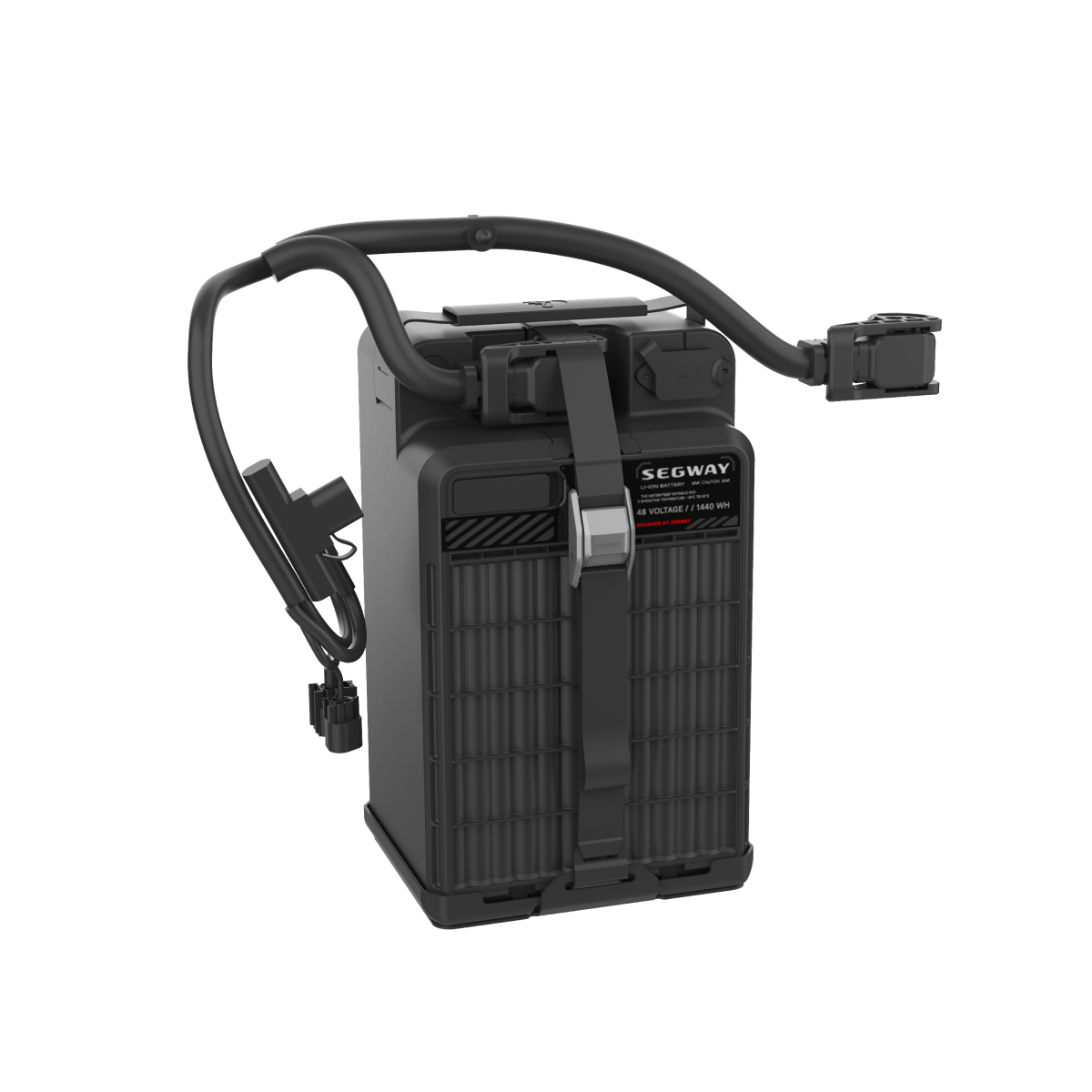
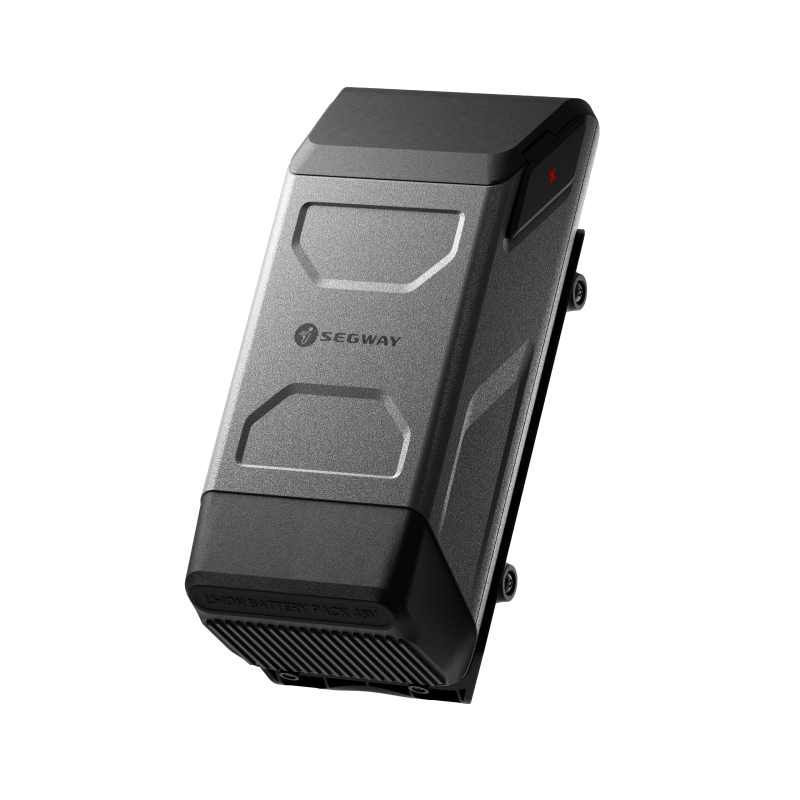
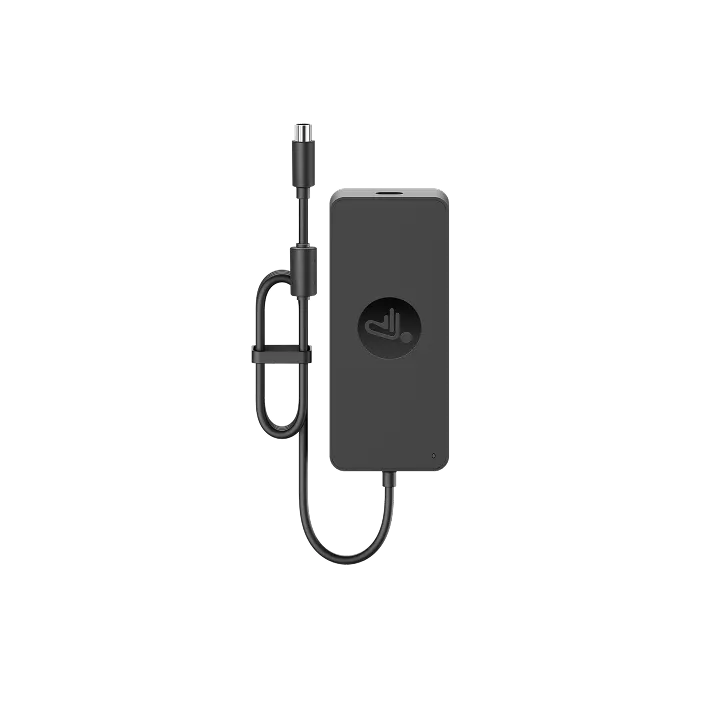
Once you get an eBike, make sure you charge it up all the way. You’ll also want to stick to the manufacturer’s instructions so you don’t inadvertently damage the battery’s charging capability in the long run.
Time to Learn the Controls and Display
Take some time to get to know your bike and its various features, including its handlebar controls and display screen. Practice switching modes in a safe space to further familiarize yourself and boost your confidence.
Step-by-Step: Your First Ride
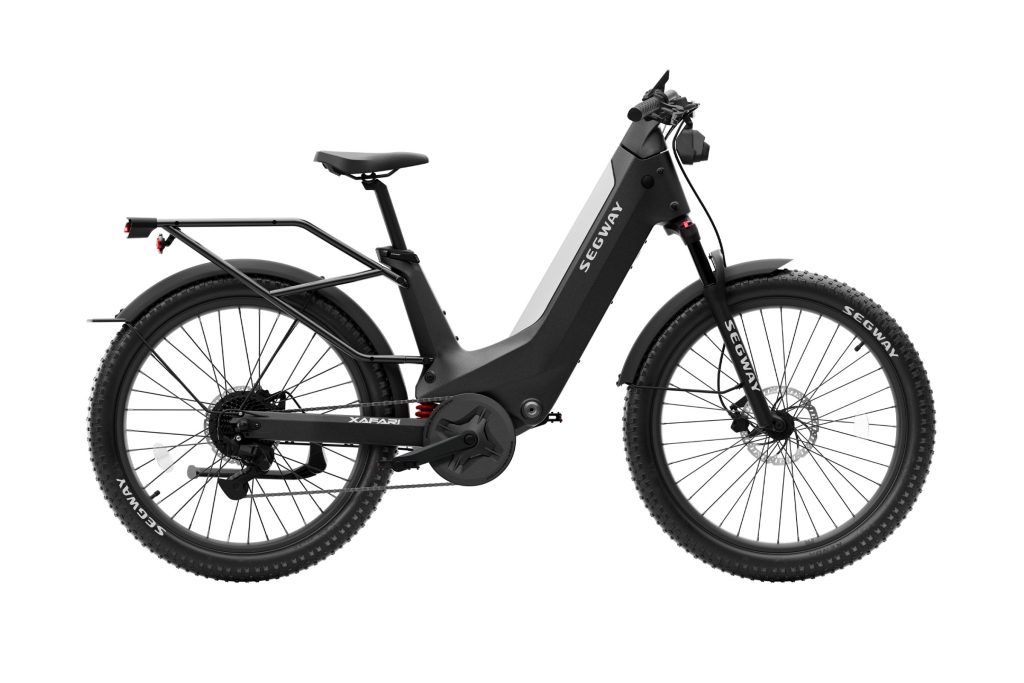
Now comes the part of our guide you’ve likely been anticipating the most. Here’s a breakdown of a first ride on an electric bike for beginners:
Getting On and Staying Balanced
Straddle your bike and put both feet on the ground. If your feet are dangling, step off and lower your seat. Remember, eBikes are slightly heavier than regular bikes due to the motor and battery, so give yourself a little time to get used to the weight.
Starting With Low Assist Mode
The power and acceleration of eBikes can certainly take you by surprise if you’ve never ridden one before, so begin in eco or low-assist mode to ease yourself into your ride. Pedal gently and let the motor give you a friendly boost.
Learning to Brake With Power Assist
Use the eBike’s power assist mode to practice your braking. You don’t want to slam on the brakes, of course, and you need to give yourself plenty of time to stop.
Practice in a Quiet Area Before Hitting the Road
Start in a low-traffic area, like a parking lot or quiet street, to get comfortable with your eBike before tackling busy roads.
Riding Tips for the Real World
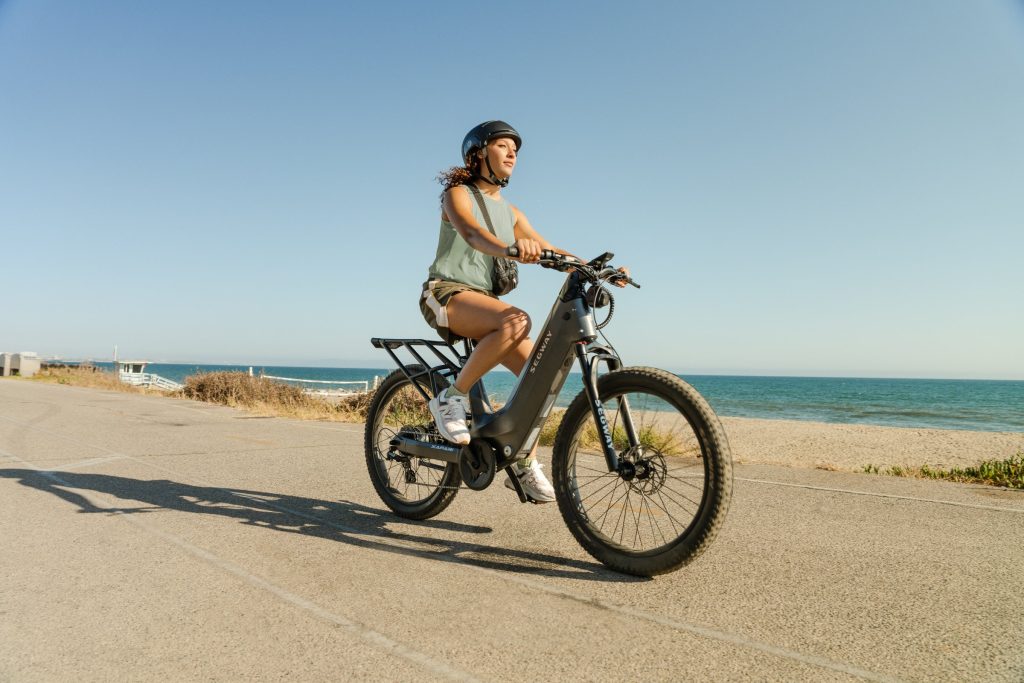
Some additional eBike beginner tips to keep in mind include the following:
Watch Your Speed
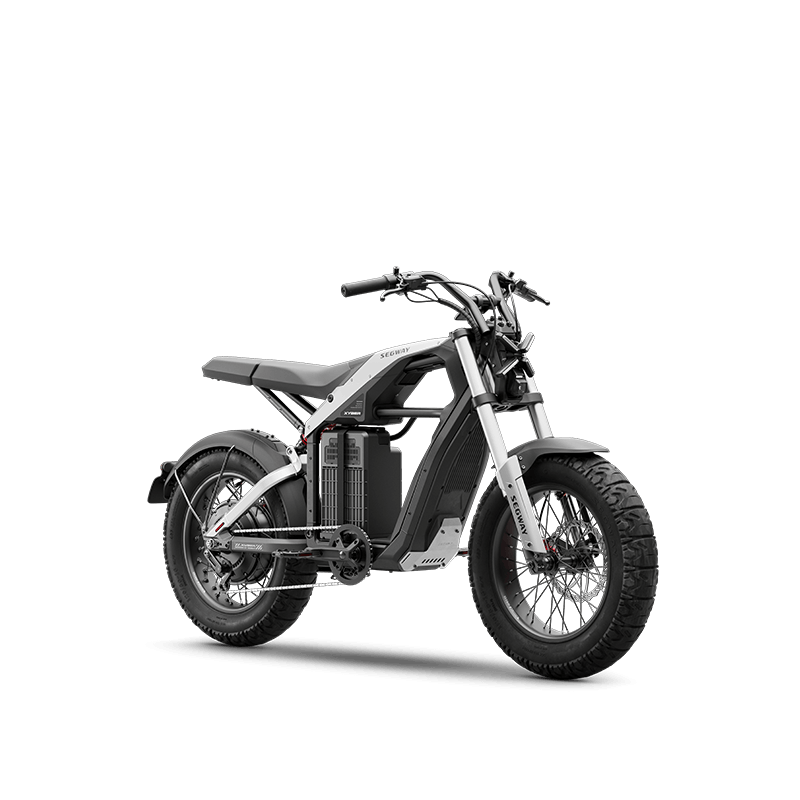
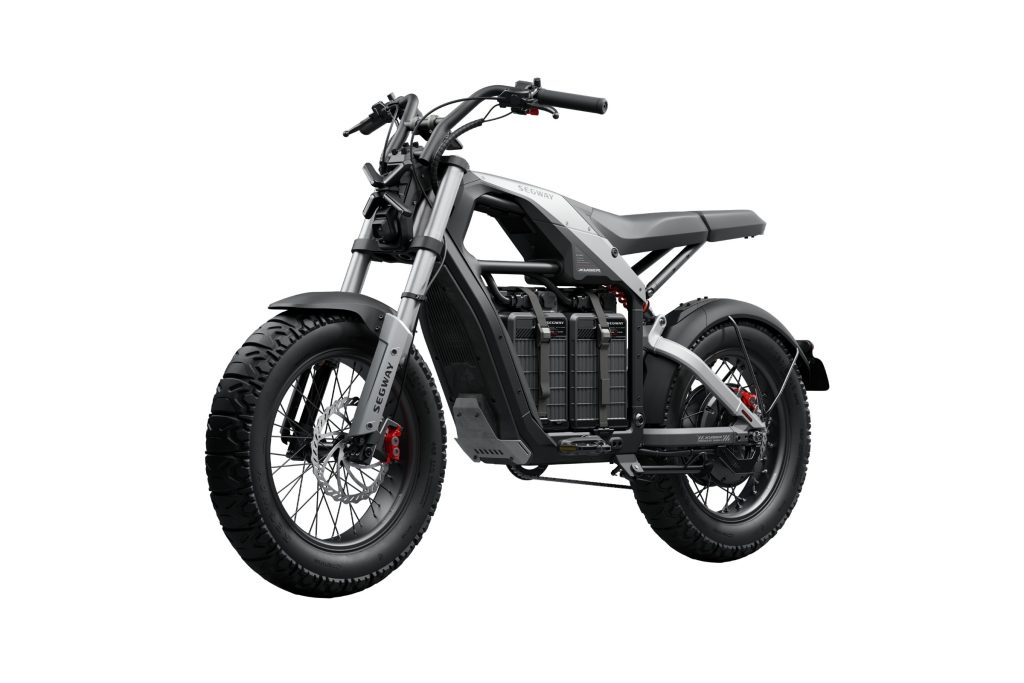
Some eBikes have particularly high acceleration. For instance, the Segway Xyber Electric Bike can accelerate from 0 to 20 mph in just 2.7 seconds. With that in mind, go easy on the throttle, especially in crowded areas. And if your bike offers an eco mode, start with that; you don’t want to cause a crash or run into a pedestrian.
Be Alert for Cars and People
Speaking of pedestrians, you always need to be alert for passersby, fellow cyclists, and cars as well. Remember, eBikes (much like motorcycles and traditional bicycles) can be hard for cars to spot, so you need to stay vigilant at busy intersections and give drivers an opportunity to identify you and your eBike before proceeding, even if you have the right-of-way.
Know the Rules of the Road
It’s your responsibility to follow bike lane rules and local traffic laws. Some areas, for instance, require eBikes to stick to specific paths or stay below a certain speed.
Other laws to be aware of include the following:
- Helmet laws
- Speed limits
- Lane usage requirements
Find out what’s required in your city so you can avoid any tickets.
Use Lights and Signals to Stay Visible
Equip your eBike with front and rear lights. Some eBikes, such as those offered by Segway, already include intelligent lighting systems and brake signals. Opting for one of these models will give you the freedom to ride in low-light conditions without compromising your safety.
Most eBikes, however, don’t have turn signals, so you’ll need to use hand signals to notify other drivers of your intention to turn.
Common Mistakes Beginners Make (and How to Avoid Them)
Riding an eBike safely means avoiding these common mishaps:
- Relying Too Much on Max Assist: Drains your battery much faster
- Forgetting to Recharge: Cuts your ride short and could leave you stranded
- Misjudging Brake Distance: eBikes need more stopping distance due to their speed and weight
- Not Checking Tire Pressure: Reduces efficiency and makes pedaling harder
Avoiding these common beginner mistakes keeps your rides safe and enjoyable.
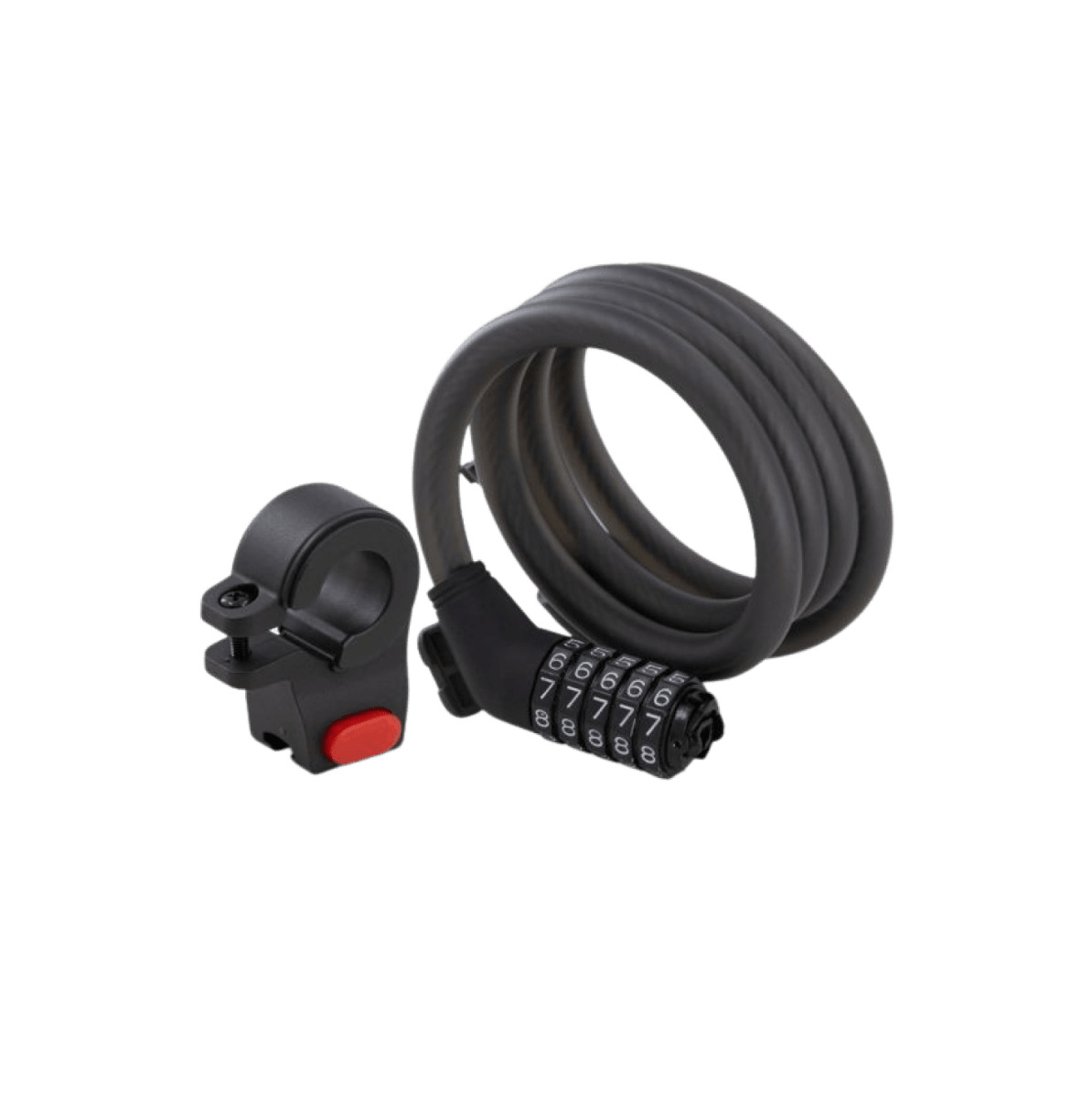
Once you’re riding regularly, learn how to secure your electric bike when you park. Still deciding whether to buy? Read Is an Electric Bike Worth It? and our look at the health benefits of riding an electric bike.
Ride Smart, Start Slow, Have Fun
That wraps up our guide to riding an electric bike. All that’s left is for you to get your first eBike and join in on the fun! Segway offers some incredible options that are reliable, user-friendly, and great for riders of all experience levels. Explore our selection of electric bikes today!
Want to try a Segway eBike first? Book a test ride at a Segway dealer near you →
Frequently Asked Questions
Is it hard to learn to ride an electric bike?
Most riders adjust quickly. Start in eco or low-assist mode, practice braking and switching modes in a quiet area like a parking lot, then move to busier roads.
How fast do electric bikes go?
In the U.S., Class 1 and Class 2 eBikes are limited to 20 mph and Class 3 eBikes to 28 mph with pedal assist. Local rules on where each class can ride vary.
Do I need a helmet to ride an eBike?
Always wear a certified bike helmet. Helmet laws vary by city and state, so check the rules where you ride.